A bee swarm on your car
It happens every spring in Auckland car parks and driveways. A swarm on a car is one of the easiest kinds to collect, as long as nobody tries to drive it away.
Checked
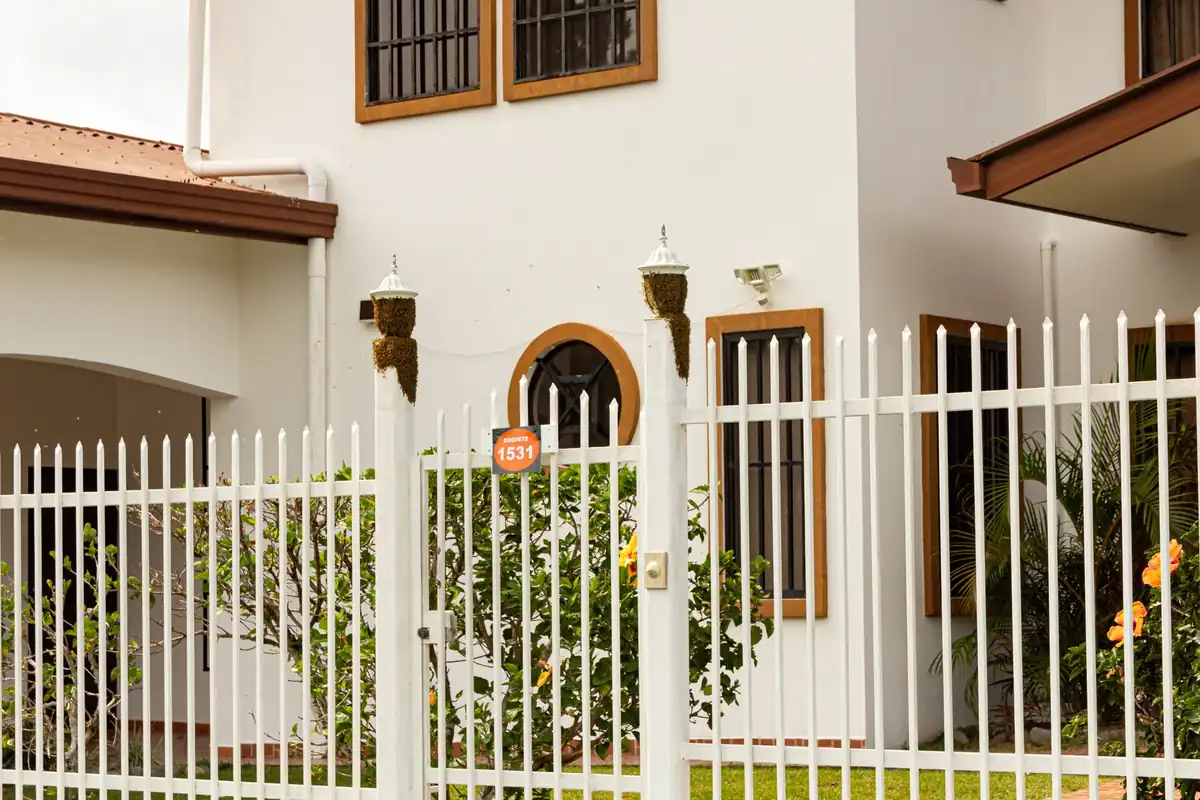
Swarms land on cars for the same reason they land on fences and letterboxes: the queen settled there, and the rest followed. A car parked under a tree, beside a hedge or in a sunny spot is just a convenient perch while scouts look for a home. The bees are not interested in the car itself, and they are not going to build a nest in it in a day. The right response is to leave the car where it is, keep people away, and ring a swarm collector.
Why a swarm picks a car
When a swarm leaves its hive, the bees fly as a cloud until the queen lands, and the workers cluster around her. Queens are not strong fliers, so the first stop is usually close to the old colony and often low. Car mirrors, wheel arches, bumpers and roof racks give a cluster something to grip. Cars parked in the same place every day near hives, such as at schools, sports grounds and workplaces with trees, get swarms more often than you might expect.
Can I drive it away?
No. Driving off with a swarm on board shakes thousands of bees loose, many of which are lost or end up inside the car. Bees falling into the cabin while you drive is a crash risk. If you are already in the car when the swarm arrives, stay inside with the windows up, or get out calmly and walk away. If you have to move urgently, ring a collector first and ask for help.
How a collector removes a swarm from a car
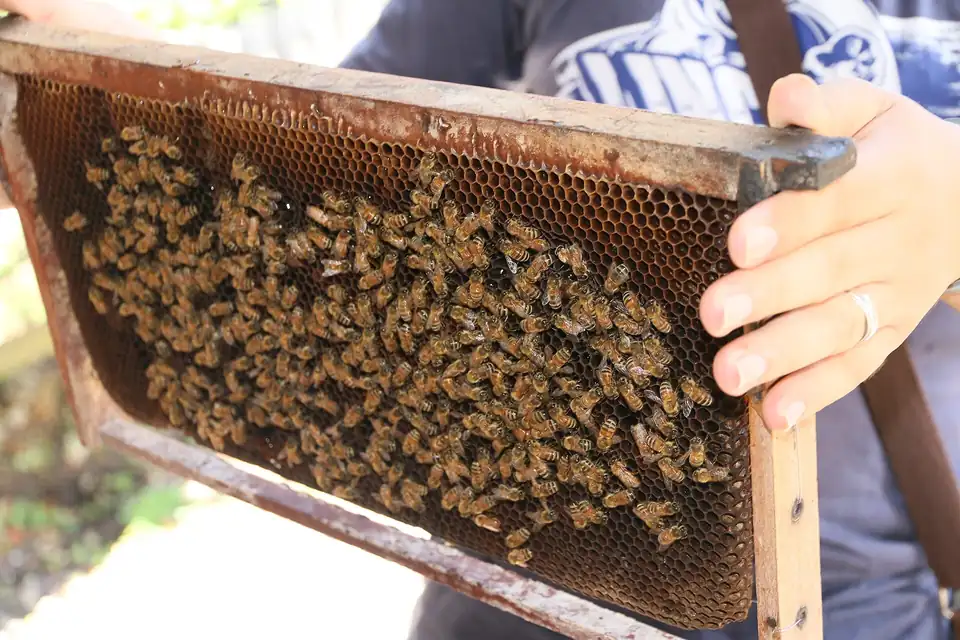

This is usually quick. The collector holds a box or bucket under the main cluster and gives it a gentle push or brushes the bees in. If the queen goes in, the rest follow, and the box is left on the ground or on the car with the lid ajar so stragglers can walk in. Bees tucked into a wheel arch or under a mirror may take longer to coax out.
Most collectors will ask you to leave the car parked until the evening, when the remaining flying bees have joined the box. The collected bees then go into a hive, like the frame in the photo above, and become a new colony with a registered beekeeper.
Cleaning up afterwards
Once the bees are gone, you may see:
- A few dozen stragglers circling the spot for a day. They are looking for the swarm and will drift away.
- A faint sticky film or wax flecks where the cluster hung. Wash them off with water and car shampoo.
- Spots on the paint. Bees defecate when they leave the hive, and those spots should be washed off soon, before they mark the paint.
Don't spray insecticide on the car to deter stragglers. It isn't needed, and it damages paint and harms bees.
What if the swarm is inside the car?
Occasionally a swarm gets into a car with an open window or sunroof. Leave the doors open, step back and ring a collector. If the bees are in the boot or behind trim, the collector may need you to help open panels. A swarm inside a car is still a swarm and will usually leave within a day once it has a better option.
Swarms on other vehicles and machinery
Boats on trailers, trailers, caravans and parked machinery attract swarms the same way. A caravan or a boat stored for winter can even end up with a colony inside a void if no one checks it in spring. If a stored vehicle has had bees going in and out of one spot for days, treat it like a building: it needs the comb removed. See swarm or established hive.
Who pays?
Swarm collection in Auckland is often free, because the bees are useful to the collector. If the car is in a public car park, ring the car park operator too so they can keep people away. The swarm costs page explains when a swarm becomes paid work. For more on swarm behaviour, read why bees swarm in spring, and see the first hour with a swarm.
This note sits under bee nest and colony removal in Auckland, where the front page sorts out which bee jobs need a visit and which don't.
Quick answers
Will the bees sting me if I go to the car?
Swarm bees are rarely defensive, but don't reach through them for the door. Wait for the collector or for the swarm to leave.
Can I use the car tomorrow?
Usually yes. Most swarms are collected the same day, or leave on their own within a day or two.
Does insurance cover bee damage to a car?
Swarms rarely damage a car. If marks are left, wash them off promptly. Ask your insurer about anything beyond that.