Bees in Devonport
Old timber villas, deep gardens and two volcanic cones make Devonport a busy place for bees in spring. Here is how the usual Devonport bee problems play out, and who to call for each.
Checked
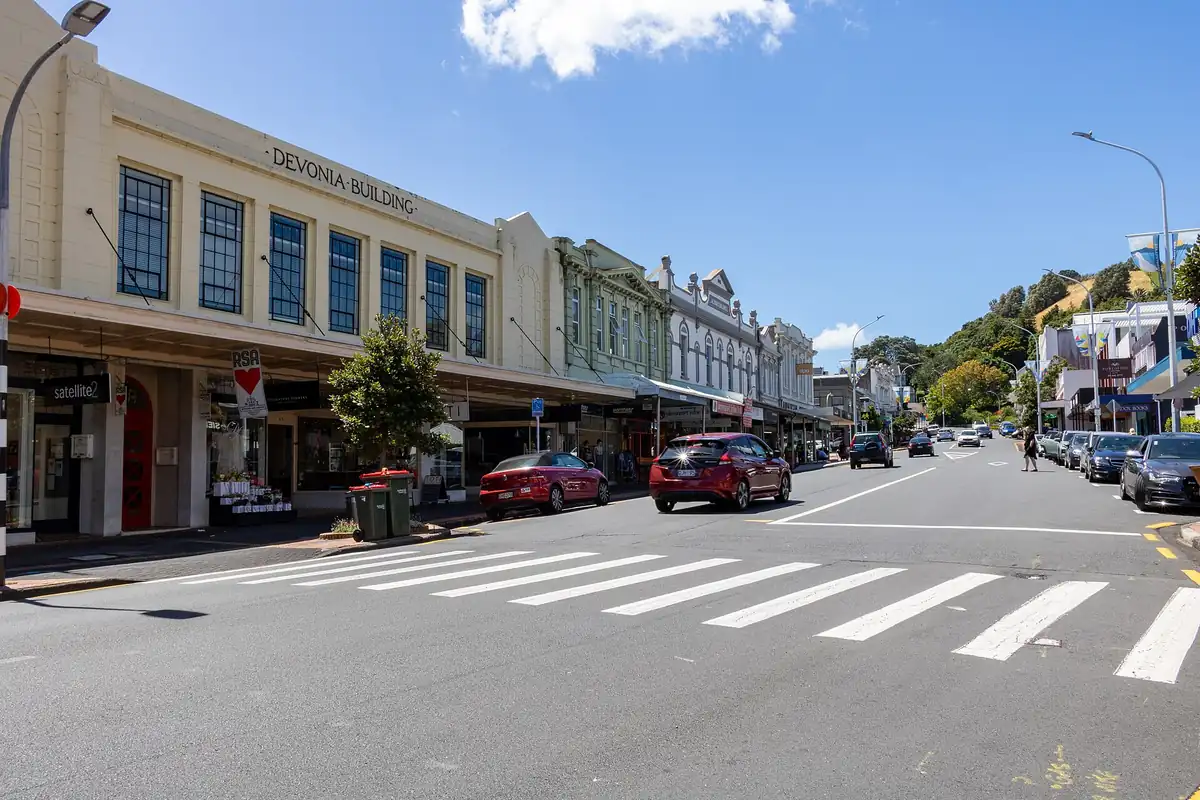
Devonport sits at the tip of the North Shore peninsula, between Takarunga / Mount Victoria, Maungauika / North Head and the harbour. Most of its housing went up between the 1880s and the 1930s: kauri and rimu villas with return verandas, bay windows, lean-tos at the back and sash windows that rattle a little in a southerly. Much of the suburb sits inside the Unitary Plan's special character overlay, which shapes how owners repair and change the outside of these houses. All of that matters when bees turn up, because an old timber house is full of the quiet, dry voids a honey bee swarm looks for.
What usually brings bees to a Devonport property?
Mostly spring swarms looking for a cavity. From September to December, crowded colonies all over the lower North Shore split, and the departing half hangs in a cluster while scouts inspect anything hollow nearby. In Devonport that means the space behind weatherboards, under a veranda floor, inside a bay window seat or up a disused chimney. A swarm that hangs in the open is a short visit; one that finds a gap can stay for years.
The other regular visitors are bumble bees. Mature gardens with old walls, compost heaps and thick ground cover give queens plenty of places to start a nest in spring. Those nests are small and seasonal, and the bumble bee guide explains why many can simply be left.
Villas, verandas and the voids bees like
A Devonport villa has a long list of places where a colony can settle. The commonest we hear about:
- Between the studs behind weatherboards. Older houses often have no building paper and no insulation in some walls, so the cavity is dry, dark and roughly the size a colony wants.
- Under the veranda. The space between the veranda floor joists and the ground is sheltered and often fronted by lattice that bees pass through easily.
- Bay window boxes and window seats. These were built as framed boxes, and the gaps at the corners open over time.
- Chimneys that no longer take a fire. Many villas have brick chimneys that are capped badly or not at all. See bees in a chimney for why these take more work.
- Lean-to roofs at the back. The join between the main roof and a lean-to is a classic entry point.
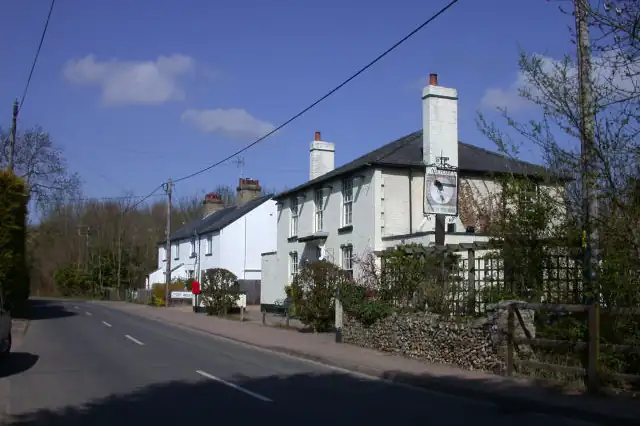

Bees in old houses can stay a long time if no one disturbs them. The photo shows a house in England where honey bees lived in the walls for decades. In Auckland, varroa makes colonies like that less likely to last, but a colony that dies leaves its comb and honey behind, and that brings its own problems. The signs of bees in a wall note covers what to look and listen for.
Repairs on a special character house
Most bee removal from a wall is a matter of taking off a few weatherboards, cutting out the comb, cleaning the cavity and putting the boards back. On a character villa, take care with what goes back on. Original rusticated or bevel-back boards can usually be refixed if they are lifted carefully, and matching profiles are still milled for repairs. If a board splits, like-for-like replacement is normally the sensible route on a house in a character area. Talk to Auckland Council if you are planning anything more than a small like-for-like repair to the street-facing side.
When you ask for a quote, say the house is a villa and mention the cladding, so whoever visits can plan for careful lifting rather than a quick cut. The cut-out page explains the job step by step.
Getting to you: streets, parking and steep sections
Devonport is easy to reach from the rest of the North Shore by Lake Road, and a technician can work from a van on most streets. Some things still slow a job down, and it helps to mention them when you ask for a quote:
- Narrow streets and limited parking near Victoria Road and Cheltenham, especially on summer weekends.
- Steep driveways and rear sections on the slopes of Mount Victoria and around Stanley Bay.
- Rear lanes and shared accessways where a ladder has to be carried through.
- Two-storey houses where the entry point is above the ground-floor veranda roof.
None of these stops the work. They just change the gear needed and the time on site, which is why quotes are written after someone has looked.
A swarm on Victoria Road or the waterfront
A swarm in a public place, such as a street tree, a bench or a lamp post, is usually best left to a swarm collector. Keep people back, take a photo from a distance and report it through the Auckland Beekeepers Club or a collector listed by Honey and Bees New Zealand. Swarms in the open are often collected free, because the bees can become a new hive. The first hour with a swarm note lists what to do while you wait.
If the swarm is on your own fence, tree or letterbox, the same applies. Paid help only comes into it when the bees are out of reach, or when they have gone into the house. See swarms out of reach for the high ones.
Bumble bees in Devonport gardens
Devonport gardens are old, and old gardens have the mouse holes, rock walls and thick mulch that bumble bee queens use for nests. Buff-tailed bumble bees are the ones most people see. A nest might hold a few dozen to a couple of hundred bees at its peak, and it dies out by itself at the end of the season.
Leave a nest where you can. If it is beside the back door, in a play area or under a step that people use every day, it can be moved or removed. The moving a bumble bee nest page explains when that works.
What it costs in Devonport
Swarm collection from a branch or fence is often free. Paid work starts when bees have moved into the building or are out of reach. Published prices are scarce: one Auckland beekeeping business lists $210 for removing bees from a wall cavity, with GST and repairs not stated, and a Wellington pest controller lists $140 including GST per bumble bee nest. A villa wall with old, deep comb will usually cost more than a fresh swarm in a new cavity, and repairs to period cladding are often a separate cost. The wall and roof cost guide explains what moves the figure.
Nearby
Across the harbour bridge side of the North Shore, Glenfield has very different housing, and the East Coast Bays sit further up the coast. The overview of Auckland areas compares them.
The rest of what we cover, from swarms to wall cut-outs, starts on our page about bee removal in Auckland.
Quick answers
Is the yellow-legged hornet a risk in Devonport?
The hornet finds so far have been on Auckland's North Shore, and MPI's response is ongoing. If you see a large dark wasp with an orange band and yellow feet, take a photo from a safe distance and report it to MPI on 0800 80 99 66. Our hornet note has the detail.
Can I block the hole and leave the bees in my villa wall?
No. Blocking the entry traps bees inside, and they may find another way into the house, through skirting boards, light fittings or around a window. The comb and honey also stay behind. Have the colony assessed first.
Will a beekeeper take bees out of a heritage wall?
Some beekeepers do cut-outs for a fee, and many prefer not to because of the time and the repairs. If you find one who will, ask who is putting the boards back.