Bees in rentals and body corporate buildings
When the house isn't yours alone, the first question is who arranges the work. Here is how it usually splits for tenants, landlords, property managers and body corporates.
Checked
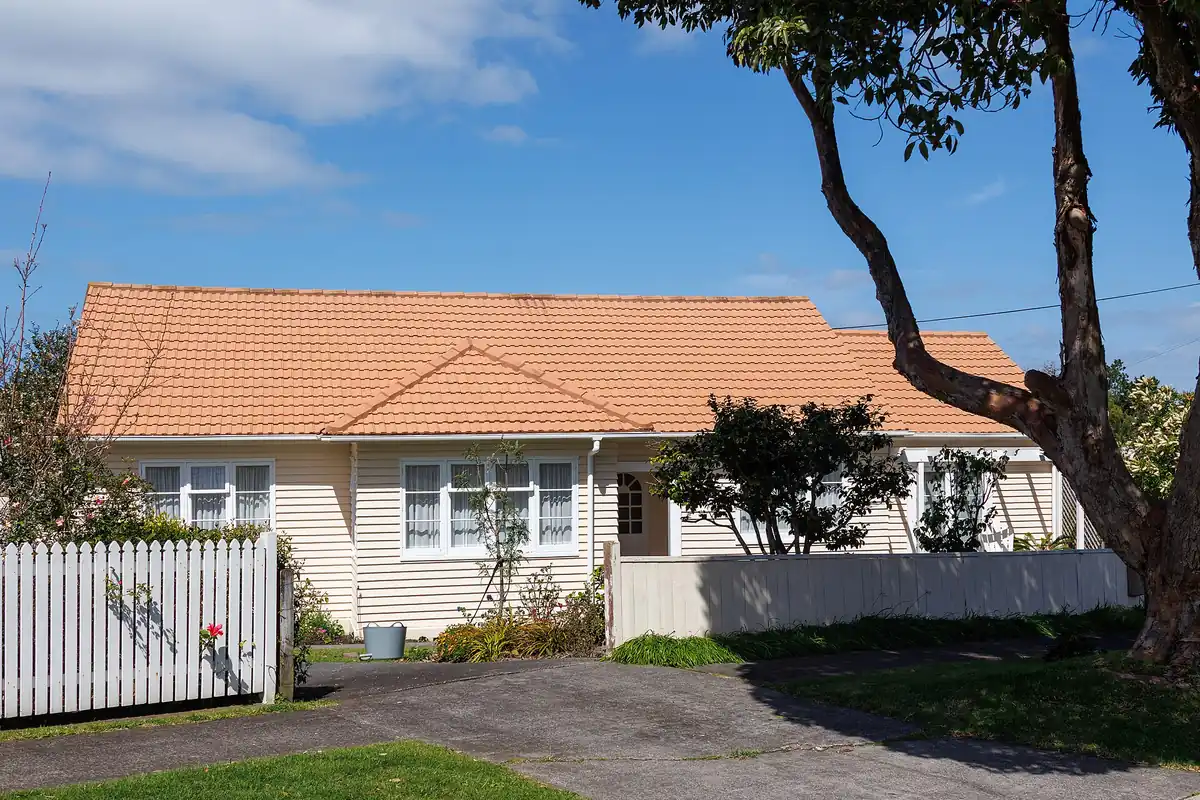
In a rental, the tenant should tell the landlord or property manager about bees promptly, and the landlord usually arranges any work on the building itself, such as a colony inside a wall, roof or chimney. Tenancy Services says landlords must make sure a property is free of pests at the start of a tenancy and maintain it to help prevent infestations, and that responsibility for pests that appear later, with nobody at fault, is less clear-cut. In a unit title building, a colony in common property, such as exterior walls, roofs and shared grounds, is normally the body corporate's to arrange. This is general information, not legal advice; Tenancy Services and the Unit Titles Act are the authorities.
Tenants: tell the landlord early
If you rent and notice bees going into a wall, ceiling or chimney:
- Tell your landlord or property manager in writing, with a photo, the location and the date you noticed.
- Don't block the hole or spray it. That can push bees indoors and leaves comb in the wall.
- Keep doors to affected rooms closed if bees are coming inside. See bees inside the house.
- Agree on access for a technician's visit.
A swarm hanging in a tree in the garden is different. It is temporary and usually collected free by a swarm collector, which a tenant can arrange directly. See finding a swarm collector.
Landlords: why acting quickly saves money
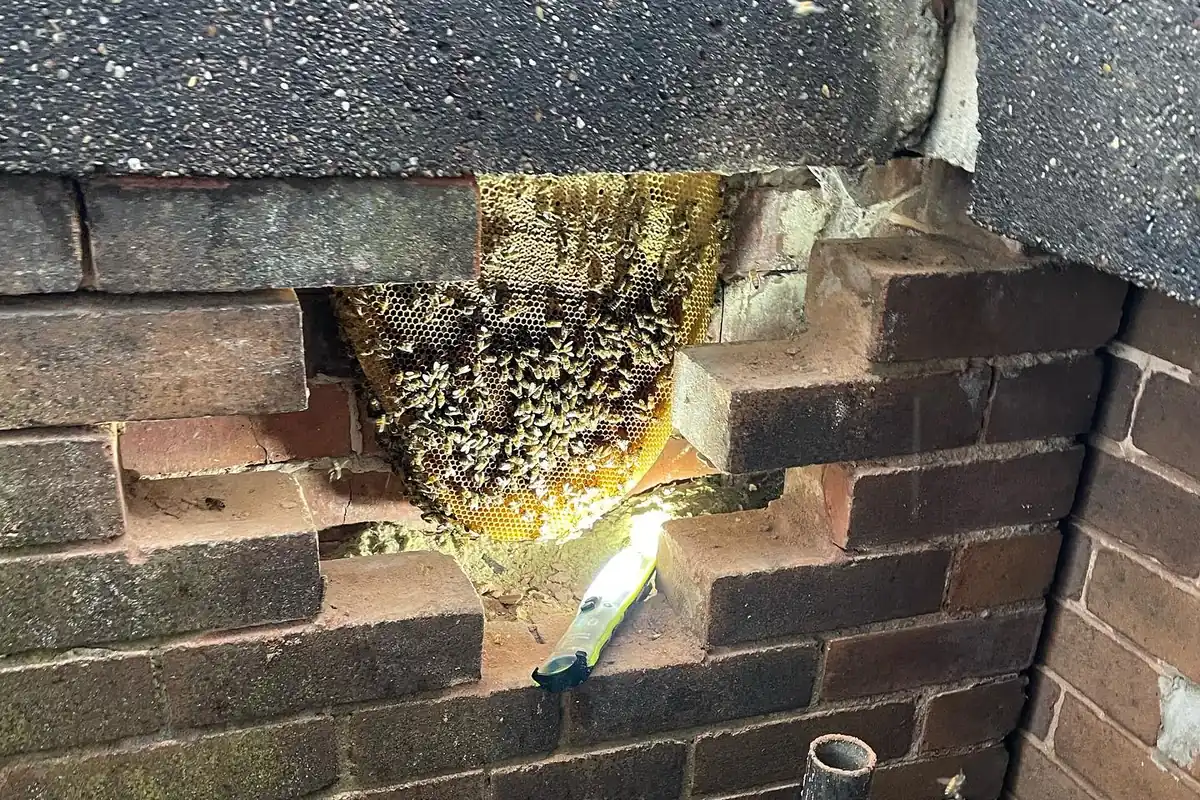

A colony in a rental's wall grows quickly in spring, and old comb left behind brings leaks, stains and repeat swarms, like the cavity in the photo. Arranging removal early is usually cheaper than repairing honey-stained ceilings later. Ask for a quote that covers comb removal and closing the entry; see the checklist before hiring a bee remover. Between tenancies is also a good time for a winter check of soffits, vents and chimneys; see bee-proofing a house.
Who pays?
Tenancy Services' guidance is broadly:
- Pests present at the start of a tenancy: the landlord's responsibility.
- Pests caused by the tenant, for example through lack of cleanliness: the tenant may be responsible, and the Tenancy Tribunal can order them to pay.
- Pests that arrive mid-tenancy with nobody at fault: responsibility is unclear, and landlords and tenants often agree a practical solution.
A swarm moving into a wall is rarely anyone's fault. Because removal involves opening and repairing the building, landlords usually arrange it. Disagreements can go to the Tenancy Tribunal.
Body corporates and unit titles
Under the Unit Titles Act 2010, common property is managed by the body corporate. Exterior walls, roofs, shared gardens and car parks are often common property, though the details depend on the unit plan. If bees are in common property:
- Report it to the body corporate manager or committee, with photos and location.
- If bees are entering a unit, say so, so it is treated as urgent.
- The body corporate arranges access, including to neighbouring units if the colony spans a shared wall.
If the colony is inside an owner's own unit area, the owner may need to arrange it. Ask the body corporate manager to confirm.
Property managers and multiple sites
For property managers, a clear written quote helps with owner approvals. When you ask for one, include:
- Property address and tenant contact for access.
- Location and height of the bees, and whether they are entering the dwelling.
- Building type and cladding.
- Who approves the cost.
Prices
Quotes follow a visit. For reference, one Auckland beekeeping business lists $210 for removing bees from a wall cavity, without stating GST or repairs, and a Wellington pest controller lists $140 including GST per bumble bee nest. See the costs overview.
If the bees here don't match yours, the front page on Auckland bee removal sets swarms, bumble nests and wall colonies side by side.
Quick answers
Can a tenant book the work directly?
A tenant can arrange a swarm collector for a swarm in the garden. Work on the building should be agreed with the landlord first.
Is a bumble bee nest in the garden the landlord's problem?
Bumble bee nests are seasonal and usually left alone. If one is a hazard at a doorway, talk to the landlord.
Do you invoice body corporates?
Ask when you request a quote, and give the body corporate's details for the invoice.