After the bees are out
Removing the bees is half the job. What happens to the comb, the honey, the smell and the hole decides whether the problem stays solved.
Checked
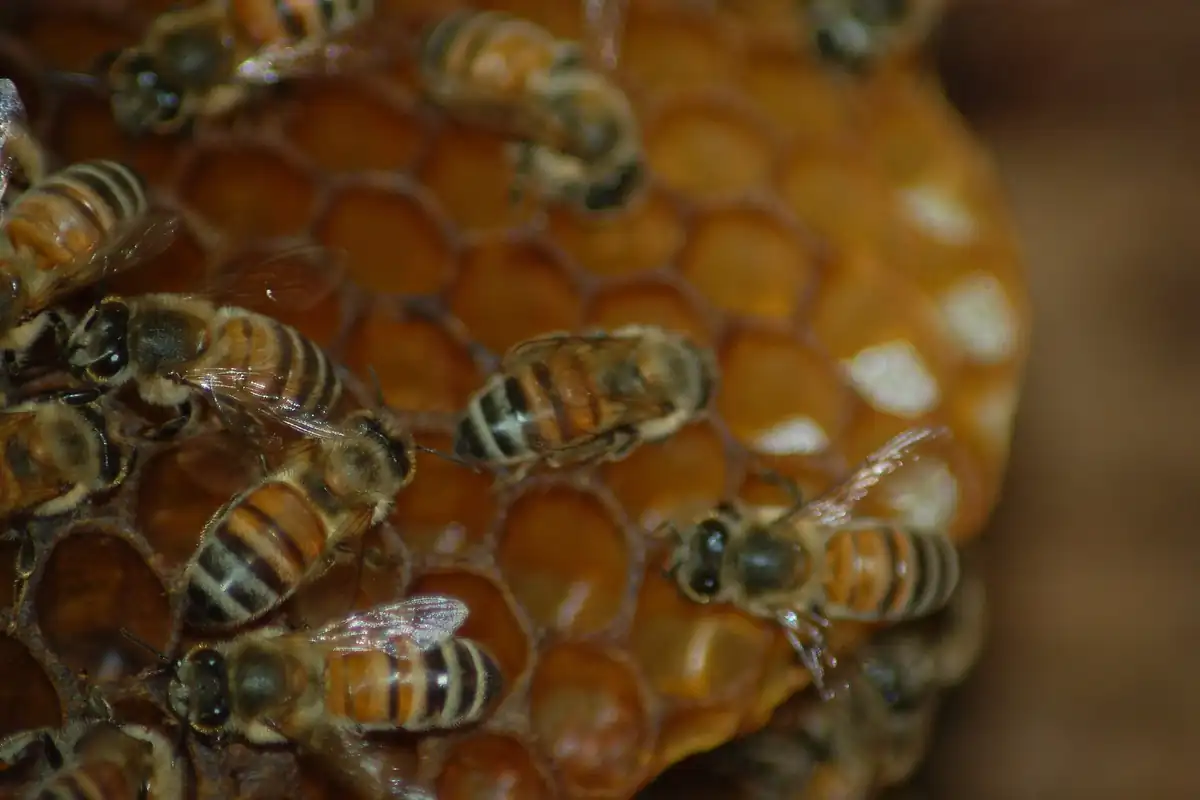
After a honey bee colony is removed from a wall, ceiling or chimney, four things need doing: every piece of comb and honey must be out of the cavity, the cavity cleaned of wax and residue, the original entry sealed so new swarms can't get in, and the opening repaired. If comb or honey is left, it leaks, smells, attracts wax moth, ants and robbing bees, and can spread American foulbrood to managed hives. A clean, sealed cavity is the difference between a one-off job and bees again next spring.
Comb and honey: get it all out
Comb that is left behind doesn't stay put:
- Honey runs on hot days as the comb softens, staining linings and ceilings.
- Dead brood rots, causing smells that can last for weeks.
- Wax moth larvae tunnel through old comb.
- Ants, cockroaches and rodents come for the stores.
- Robbing bees from nearby hives take the honey home, along with any disease spores. See American foulbrood and abandoned comb.
If you aren't sure everything was removed, ask. A good remover will show you the empty cavity before closing it.
Cleaning the cavity
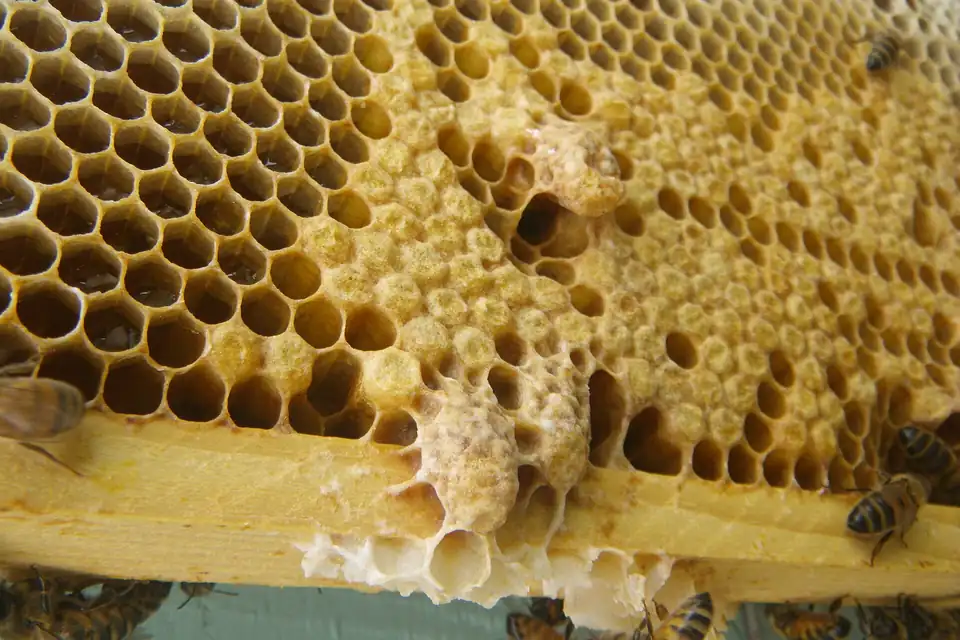

Once the comb is out:
- Scrape off wax and propolis from studs, nogs and the back of linings. Even small patches of old comb, like the cells in the photo, carry the scent of a nest.
- Remove insulation that has soaked up honey or debris, and replace it.
- Wipe surfaces with hot soapy water to remove honey residue.
- Let the cavity dry before closing up.
Sealing the entry
The gap the bees used must be closed properly, or the next swarm will use it:
- Small gaps around frames and penetrations: exterior sealant.
- Vents and weep holes: insect mesh, never filler, so drainage and airflow continue.
- Split or lifted weatherboards: refix or replace like for like.
- Chimneys: a cap or mesh guard.
Check other similar gaps on the same wall too. The bee-proofing note lists them.
Repairing the opening
The repair depends on how the cavity was opened:
- Lifted weatherboards can usually be refixed, with new building paper if there was none, and painted.
- Soffit sheets can be refitted or replaced.
- Plasterboard needs a patch, stopping and painting; usually a plasterer.
- Brick veneer needs bricks relaid and mortar matched.
- Monolithic plaster cladding needs repair by someone who knows the system, so it stays weathertight.
- Old fibre-cement sheet may contain asbestos; get it identified before any cutting or replacing.
Ask before work starts whether closing up is included, and whether it is a temporary or finished repair. See the checklist before hiring a bee remover.
Stains and smells
Honey stains on ceilings and walls bleed through ordinary paint. Once the area is dry, a stain-blocking primer before repainting usually stops them showing. A lingering smell usually means comb or dead brood is still in the cavity, and it should be checked.
Stray bees in the following days
After a removal, foragers that were out during the job return to the old entrance and find it gone. You may see a few dozen bees circling the spot for a day or two. They will drift away or join a nearby colony. A box left nearby for the evening can catch many of them. If bees are still going into a gap a week later, part of the colony may remain; ask for a re-check.
What it costs
Cleaning and sealing are part of a thorough removal; finished repairs to linings and cladding are often separate. For reference, one Auckland beekeeping business lists $210 for removing bees from a wall cavity, without stating GST or repairs, and a Wellington firm lists $140 including GST for destroying a cavity colony, without comb removal. See wall and roof costs and what a cut-out involves.
If the bees here don't match yours, the front page on Auckland Bee Help sets swarms, bumble nests and wall colonies side by side.
Quick answers
Can I keep the honey?
It is usually safer not to. See honey from a wall colony.
How long before I can close the wall?
Once the cavity is clean and dry, usually the same day.
Will new bees come to the same spot?
Less likely if the comb is gone, the cavity cleaned and the entry sealed. That is the point of doing it properly.