Bees inside the house
A few dozy bees on the window every morning, or a steady trickle around a light fitting. Bees indoors almost always mean a colony in the wall or ceiling next to that room.
Checked
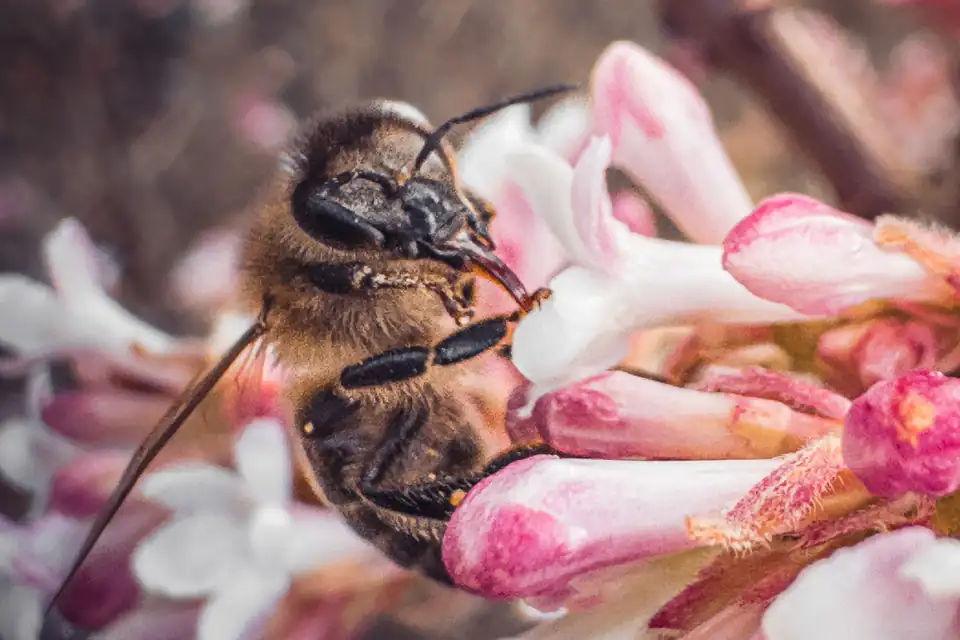
Honey bees found inside your house, day after day, in the same room, are almost always coming from a colony in the wall, ceiling or chimney beside that room. They wander from the nest through gaps around downlights, extractor fans, switch plates, skirting boards, window frames or a fireplace, and then head for the light. Today, close off the room and keep people out; this week, get the colony found and removed. Don't spray inside the wall or block the outside entrance, which pushes more bees indoors.
What to do right now
- Close the room. Shut the door and put a rolled towel along the bottom.
- Turn off the lights in that room, including downlights and lamps. Bees are drawn to light.
- Open a window a little in the room, with the curtains open, so bees can find their way out.
- Keep children and pets out.
- Don't swat bees on windows; a container and a piece of card will carry one outside.
- Note where they appear: which fitting, wall or window.
If anyone is stung and has trouble breathing or swelling of the face or throat, ring 111.
Where they are coming in
- Downlights and light fittings: the most common route from a roof-space colony.
- Extractor fans and heat-pump heads: gaps around the ducting.
- Skirting boards and scotia: from a wall colony, especially in older villas and bungalows.
- Window and door frames: gaps between frame and lining.
- Fireplaces: from a chimney colony. See bees in a chimney.
- Wall vents and old servery hatches in older homes.
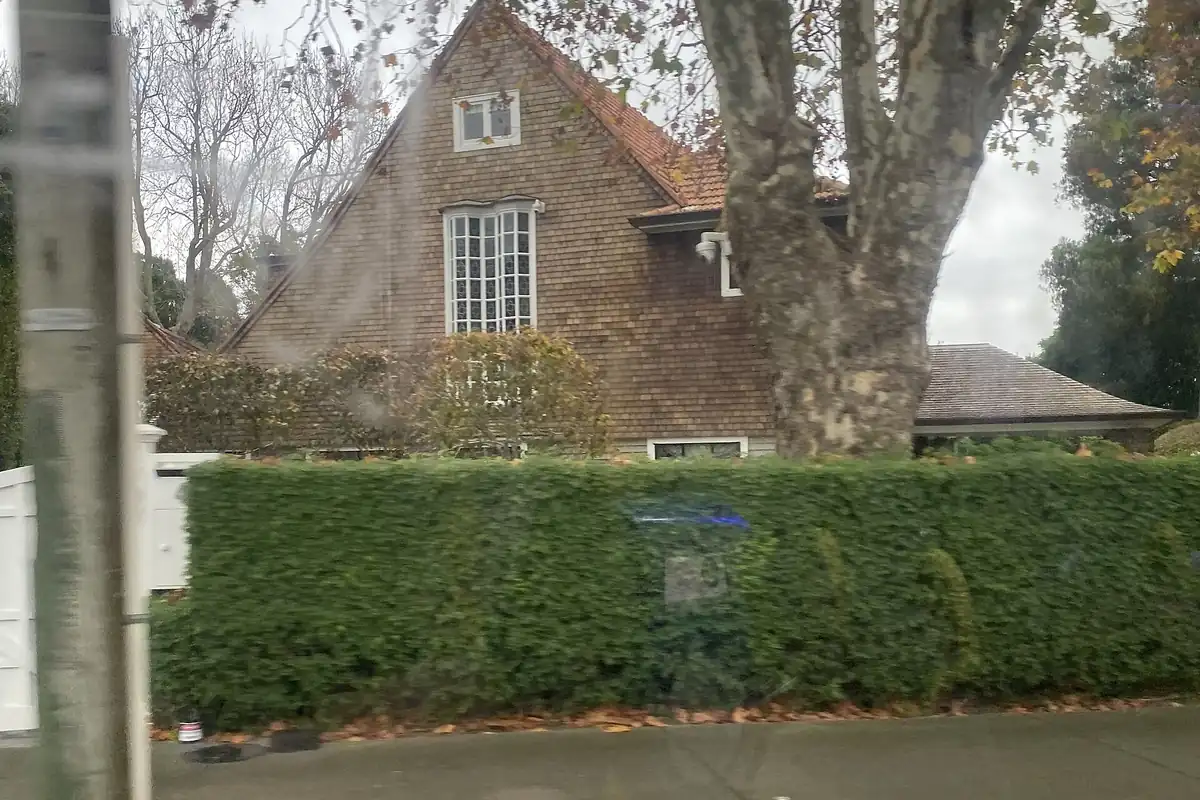

Larger, older houses like the one in the photo often have several such routes. Taping over a fitting gap with masking tape can slow the trickle for a day or two, but don't seal the outside entrance.
Why bees come indoors
Bees inside the nest navigate in the dark by smell and touch. Some, particularly young bees and those disturbed by heat, wander along gaps in the framing and come out in the light of a room. They are usually confused and slow, not aggressive. More bees indoors can mean the colony is growing, the comb is close to the lining, or hot weather is pushing bees around the cavity.
Is it bees, or something else?
- Honey bees: golden-brown, fuzzy, slow on windows.
- Wasps: shiny yellow and black, faster; may mean a wasp nest in the roof, which is a pest controller's job. See the bee or wasp guide.
- Large furry bees: possibly bumble bees from a nest in a wall void, which is small and seasonal.
How the colony is dealt with
A technician finds the nest from the outside entrance and the indoor clues, then removes the comb and bees, ideally as a live cut-out, and closes the entry. Where comb sits right behind the ceiling or wall lining of the affected room, the opening may be made from inside. See what a cut-out involves and ceilings and roof spaces.
Because bees in living areas affect your household, we give these priority over a colony in an outbuilding. Tell us which room is affected when you ask for a quote.
What not to do
- Don't spray into the wall or through the fitting. It leaves comb and honey behind and can push bees into the room. See why not to spray a wall colony.
- Don't block the outside entrance. Trapped bees come inside instead.
- Don't remove a light fitting to look. You will open a bigger route for bees and risk electrical hazards.
What it costs
Colonies in walls and ceilings are quoted after a visit. One Auckland beekeeping business publishes $210 for removing bees from a wall cavity, without stating GST or repairs, and a Wellington pest controller publishes $140 including GST for destroying a colony in a cavity, excluding comb removal. See the costs overview.
If the bees here don't match yours, the front page on Auckland Bee Help sets swarms, bumble nests and wall colonies side by side.
Quick answers
Will the bees sting us in bed?
Indoor bees are usually disoriented and rarely sting unless trapped against skin. Keep the room closed until the colony is dealt with.
Can I use a fly spray on bees indoors?
A few bees on a window can be carried out. Spraying indoors doesn't fix the colony and exposes your household to insecticide.
Why are there more bees on hot days?
Heat makes the colony fan and move around the cavity, and comb close to a sunny wall can soften, so more bees wander.