Hive notes
The longer reads. Each note answers one question properly, with New Zealand sources, so you can decide what to do about the bees in front of you.
Checked
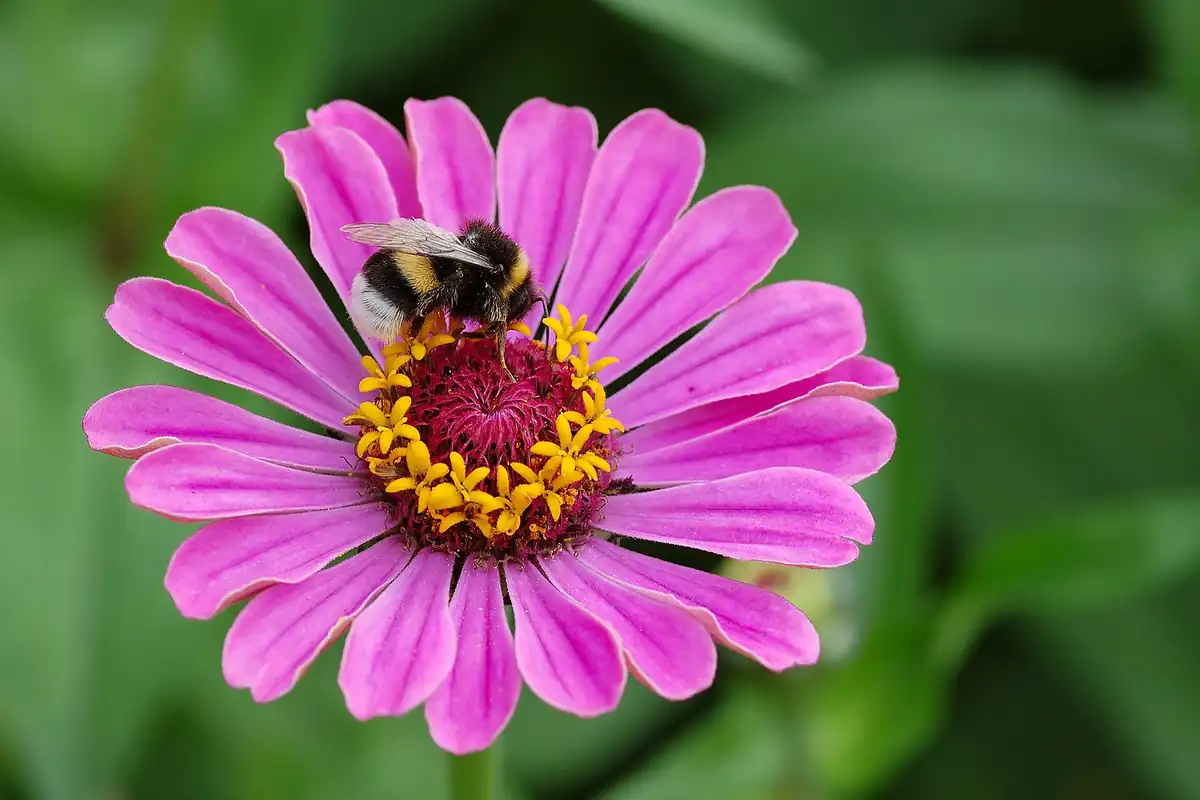
Hive notes are where we answer bee questions at length. The guide pages, such as swarms, bumble bees and walls and roofs, tell you what to do and who to call. The notes go deeper: why bees behave the way they do, what New Zealand law and biosecurity rules say, and what the published evidence shows. Every note lists its sources at the bottom, and we check them against New Zealand agencies wherever we can: MPI, NZ Bee Health and Biosecurity, Health NZ, Auckland Council and the NZ Bumblebee Conservation Trust.
- Why bees swarm Why honey bees swarm, when Auckland's swarm season runs (August to January, busiest September to December), what triggers it, and what it means for you.
- First hour with a swarm A bee swarm has just landed at your Auckland home. The first hour: keep people back, don't spray, take a photo, ring a collector, watch where it goes.
- Swarm on a car A swarm of bees has settled on your car in Auckland. Why it happened, whether you can drive, how a collector removes it, and how to get going again safely.
- Swarm or established hive? Is it a passing swarm or a colony that has moved in? Five checks that tell a bee swarm from an established hive, and why the difference decides cost and urgency.
- Signs of bees in a wall How to tell if honey bees are living in your walls or roof: entrance traffic, humming, pollen loads, staining, bees indoors, and how to find where the nest sits.
- Why not to spray a wall colony Bee nest removal spray kills some bees but leaves comb and honey in the wall. Why that causes leaks, smells, wax moth, robbing and AFB risk, and what to do instead.
- AFB and abandoned comb What American foulbrood is, how New Zealand controls it under a national pest management plan, and why honey and comb left in walls put every hive nearby at risk.
- Varroa and wild colonies Varroa mites reached Auckland in 2000. Why wild honey bee colonies in walls and trees rarely last now, and what that means for householders.
- Bumble bee nest in the lawn Found a bumble bee nest in your lawn or a hole in the ground? How to recognise it, whether it is safe to mow, when to leave it, and when it must go.
- Bumble bees under decks Bumble bee nests under decks, in compost bins, sheds and bird boxes: why queens choose them, how long they last, and when a nest needs to go.
- NZ bumble bee species The four bumble bee species brought to New Zealand in 1885 and 1906 to pollinate red clover: how to tell them apart and which live in Auckland.
- Bee sting or wasp sting? How to tell a bee sting from a wasp sting: the barbed stinger left in the skin, what each insect looks like, first aid from Health NZ, and when to ring 111.
- Yellow-legged hornet The yellow-legged hornet was found on Auckland's North Shore in 2025. How to recognise it, why it threatens honey bees, and how to report it to MPI.
- NZ native bees New Zealand has about 27 native bee species, all solitary and mostly ground-nesting. How to recognise them, where they nest, and why to leave them.
- Leafcutter and mason bees Round holes cut in rose leaves, or small bees in holes in timber? What leafcutter and so-called mason bees are in New Zealand, and why to leave them.
- Is it illegal to kill bees? Is it against the law to kill bees in NZ? What animal welfare law, HSNO pesticide rules, the AFB plan and property law say, and the better options.
- Neighbours' bees Can your Auckland neighbour keep beehives, and how many? The Animal Management Bylaw, hive registration, swarms over the fence, raising a concern.
- After a swarm is collected Where a collected swarm goes: the box, the new hive, beekeeper registration, American foulbrood checks, varroa treatment and the first season.
- Bee-proofing a house How to stop bees nesting in your house: the gaps swarms use in Auckland homes, how to seal them, when to do it, and the mistake that traps bees inside.
- Swarms returning Bees keep moving into the same wall, chimney or tree every year. Why old nest sites attract new swarms, and how to break the cycle for good.
- Honey from a wall colony Bees in the wall left honey behind. Is it safe to eat or give to bees? Pesticide risk, American foulbrood, dust, fermentation and safe disposal.
- Bees at the pool Honey bees crowding your pool, spa, tap or birdbath in summer? Why bees need water, how to move them to a better source, and how to avoid stings.
- Checklist before hiring What to check before paying anyone to remove bees in Auckland: rehoming, comb removal, repairs, GST, height safety and who keeps the bees.
- Late-season swarms Bees swarming in January, February or autumn? Why late swarms and absconding colonies happen in Auckland, the risks for the bees, and what to do.
Where to start
If bees have just turned up, start with the practical notes. The first hour with a swarm covers what to do while you wait for a collector, and signs of bees in a wall helps you work out whether a colony has moved into the house. If you are trying to work out what kind of insect you have, read bee sting or wasp sting alongside the bee or wasp guide.
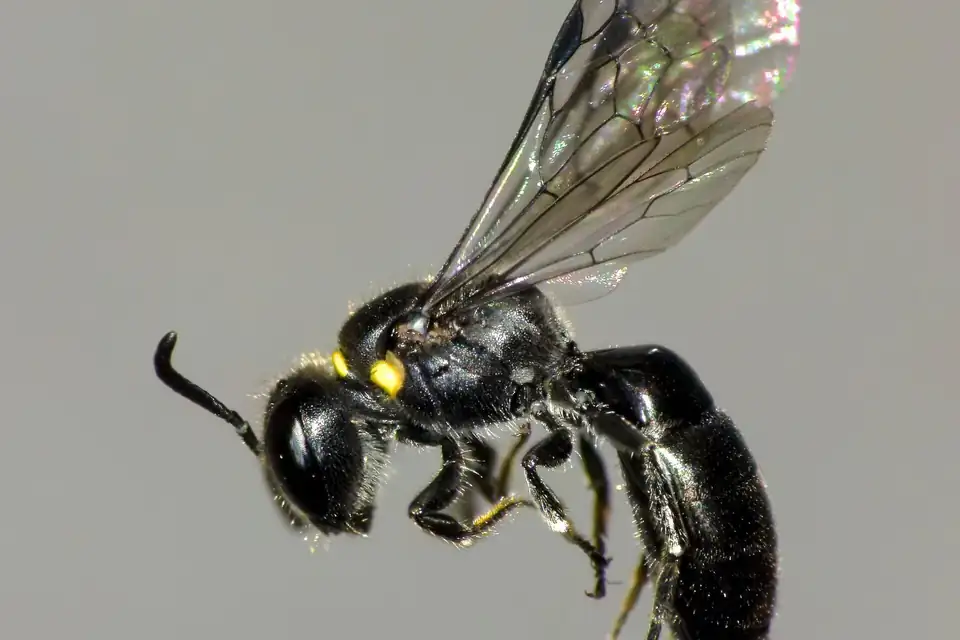

If you are curious rather than worried, the notes on New Zealand's native bees and the four bumble bee species show how many different bees share Auckland gardens. The small black masked bee in the photo is one of the native species, and most people never notice them.
The biosecurity notes
Two notes explain why we insist on taking comb out of walls: American foulbrood and abandoned comb and varroa and wild colonies. The yellow-legged hornet note covers MPI's response on the North Shore and what to report.
Before you pay anyone
The checklist before hiring a bee remover lists what a good quote should cover, and the costs guide sets out every published price we found, with its source.
Every kind of bee job we look at is summed up on our front page about getting bees removed in Auckland.
Quick answers
How often are the notes updated?
We review the notes at least once a season and whenever an agency changes its advice. Each note shows the date it was last checked.
Can I suggest a topic?
Yes. Email [email protected] with the bee question you couldn't find answered, and we will consider it for a future note.
Are the notes medical or legal advice?
No. They are general information. For stings, follow Health NZ and ring 111 in an emergency. For legal questions about tenancies, neighbours or council rules, check with the agency concerned.