Bees in Pukekohe
Pukekohe sits on some of the best growing soil in the country. Horticulture, glasshouses and a fast-growing town all bring their own bee questions, and travel time is part of every visit.
Checked
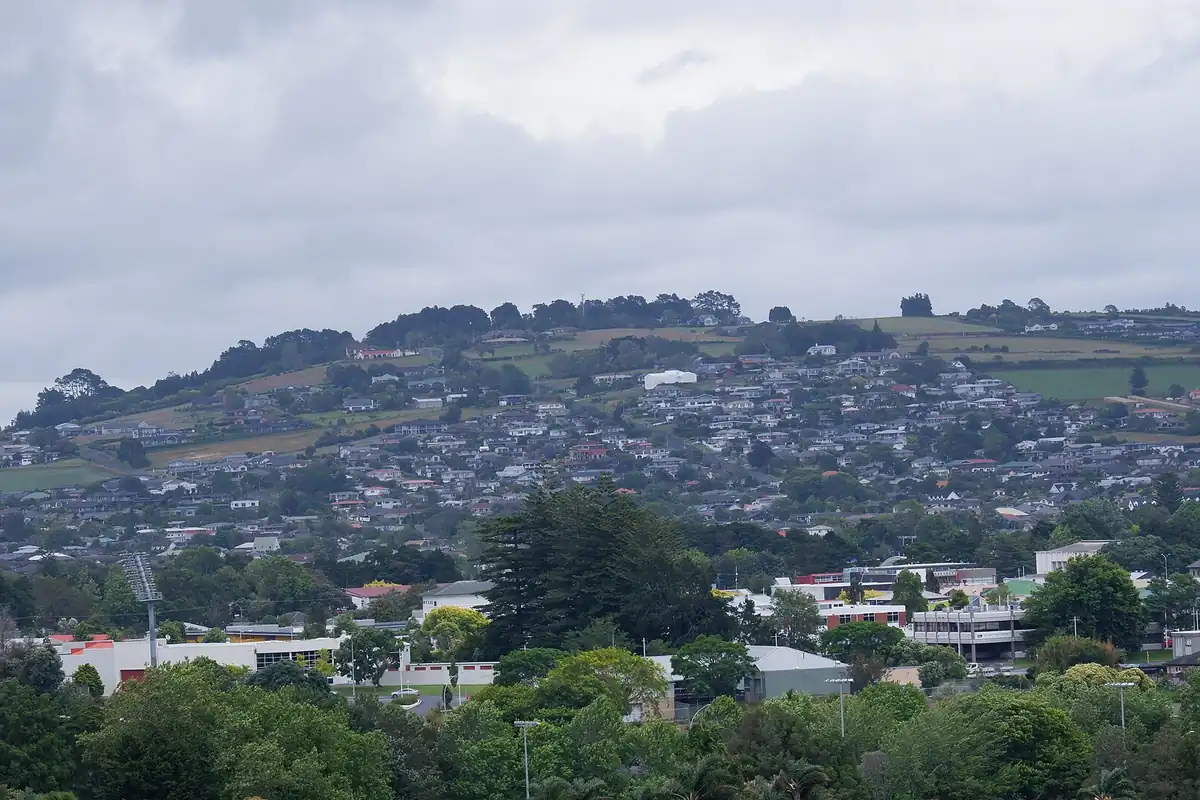
Pukekohe is the main town of Franklin, in Auckland's far south. The volcanic soils on and around Pukekohe Hill have been market-gardened for well over a century, and the district grows a large share of New Zealand's vegetables, from potatoes and onions to leafy greens. The town itself has older villas and bungalows near the centre, post-war and 1970s housing around them, and big new subdivisions to the north at Paerata. Between them are lifestyle blocks, glasshouses and packhouses. Bees are part of the working landscape here, and that shapes how bee problems are handled.
Bees in a growing district
Many crops grown around Pukekohe don't depend on bees, but plenty of what grows on the edges does: flowering shelter belts, fruit trees, clover in paddocks, gardens in town. Beekeepers keep apiaries on farms and blocks across Franklin, and every one of them must register with NZ Bee Health and Biosecurity. In spring those hives swarm like any other, and swarms land in town gardens, shelter belts and on the sides of sheds.
If a swarm lands on your property, a nearby beekeeper may want it back. If you don't know who keeps hives around you, report it to a collector through Honey and Bees New Zealand. A swarm in the open is the easy, often free, kind of bee job. See finding a swarm collector.
Spray season and bee deaths
Horticulture uses pesticides, and many are toxic to bees. Product labels in New Zealand carry bee warnings, and the Environmental Protection Authority sets rules for their use. Growers are expected to avoid spraying flowering crops and weeds while bees are foraging.
If you find large numbers of dead or dying bees in front of a hive or under a tree, it may be poisoning, disease or simply the end of a colony. Beekeepers who suspect spray damage can ask the grower and report it. A household with a colony in the wall that suddenly dies should still have the comb removed: dead colonies leave honey that robbing bees will find. The American foulbrood note explains why that matters to every hive in the district.
Glasshouse bumble bees
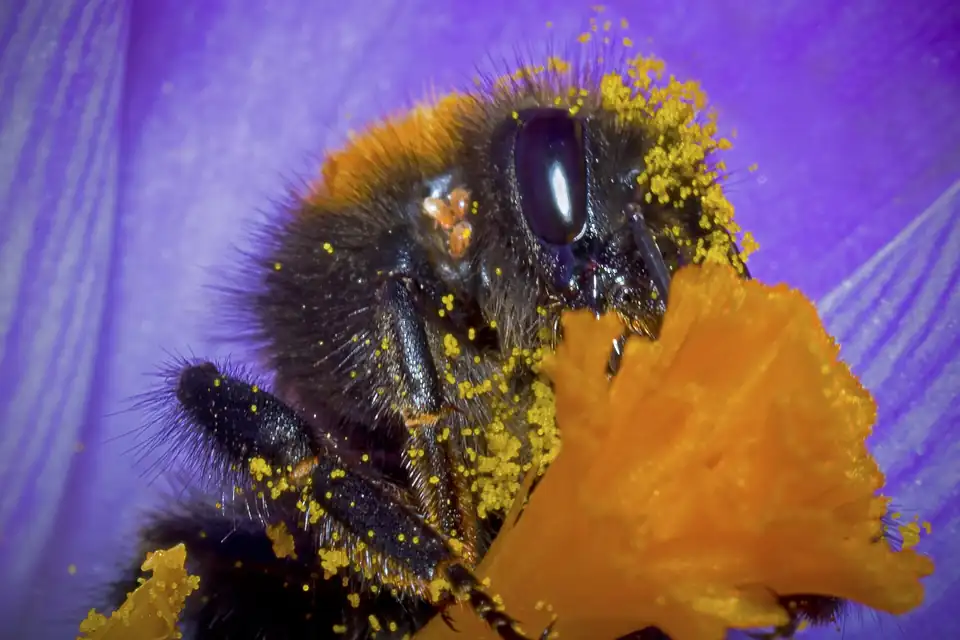

Bumble bee colonies are bred commercially in New Zealand and used to pollinate glasshouse crops such as tomatoes. Some of those bees get outside, and buff-tailed bumble bees are common in Pukekohe gardens anyway. A bumble bee nest in a lawn, a compost heap or under a shed floor lasts one season and rarely causes trouble. If one is beside a door, under a step or in a children's play area, the bumble bee guide shows the options, and the costs page for bumble bee nests has the published prices.
Town villas and the new northern suburbs
Near the town centre, Pukekohe's older timber houses have the classic weak points: gaps behind weatherboards, unused chimneys, lean-to junctions and open subfloors. A colony in one of those is a cut-out job; read what a cut-out involves.
The new houses at Paerata and on the town's northern edge are tighter, so colonies inside walls are less common. There, bees tend to show up in landscaping, under decking and around water features.
Packhouses, sheds and lifestyle blocks
Rural properties around Pukekohe, Patumāhoe, Buckland and Bombay have sheds, packhouses, pump houses and old machinery. Colonies settle in wall linings, roof voids and stacked bins. A colony in a building you work in, or near where staff take breaks, should be dealt with before the summer peak. For businesses, ask for a quote that lists timing, access and what happens to the comb. A colony in a shed nobody uses may be offered to a beekeeper for the bees. See trees, hedges and gardens for colonies outside the house.
Distance and timing
Pukekohe is a long drive from central Auckland, so travel is part of the cost of paid work. To keep a visit to one trip:
- Send a photo of the bees and of the building from a distance.
- Say how high the entry point is, and the ground beneath it.
- Give clear directions for rural addresses, including gate codes, dogs and stock.
What it costs in Franklin
In Franklin, distance is the main extra. A swarm a local keeper wants is usually free to have collected. For anything inside a building, expect a written figure after a visit. Two numbers are publicly listed in New Zealand: $210, the advertised rate of an Auckland beekeeping business for clearing bees from a wall cavity (GST and repairs unmentioned), and $140 including GST, which a Wellington company charges per bumble bee nest. See the wall and roof costs.
Schools, marae and halls in a rural district
Community buildings around Franklin, including halls, marae, sports pavilions and older school blocks, are often timber, used intermittently and surrounded by open land. That combination suits swarms. A colony can settle into a hall's wall or roof over the winter break and be found only when the building is opened up for an event. Committees can help by having someone check eaves, vents and gable ends in early spring, and by keeping old hive boxes, stored furniture and stacked timber away from the walls. If bees are found shortly before an event, a swarm can often be collected the same day, but a colony in the building needs planning, so leave as much notice as you can.
Elsewhere in Auckland
Howick is the nearest of our eastern areas, and Warkworth is Pukekohe's rural counterpart in the north. The Auckland areas page has them all.
The rest of what we cover, from swarms to wall cut-outs, starts on our page about Auckland Bee Help.
Quick answers
Are the bees on my property from a commercial hive?
Possibly. Honey bees forage several kilometres from home. A swarm may come from a managed hive or a wild colony. Either way, a beekeeper is the best first call.
Should I tell my neighbour, a grower, about a colony in my shed?
It is courteous, especially if they spray nearby. Growers are expected to protect bees when spraying, and knowing where colonies are helps.
Can bumble bees from a glasshouse sting?
Bumble bees can sting but rarely do unless handled or trapped. Treat them like any bumble bee: leave them alone and they will leave you alone.