Finding a bee swarm collector in Auckland
For a swarm hanging in the open, a collector is usually the fastest and cheapest answer. Here is how to find one, and what makes it easy for them to say yes.
Checked
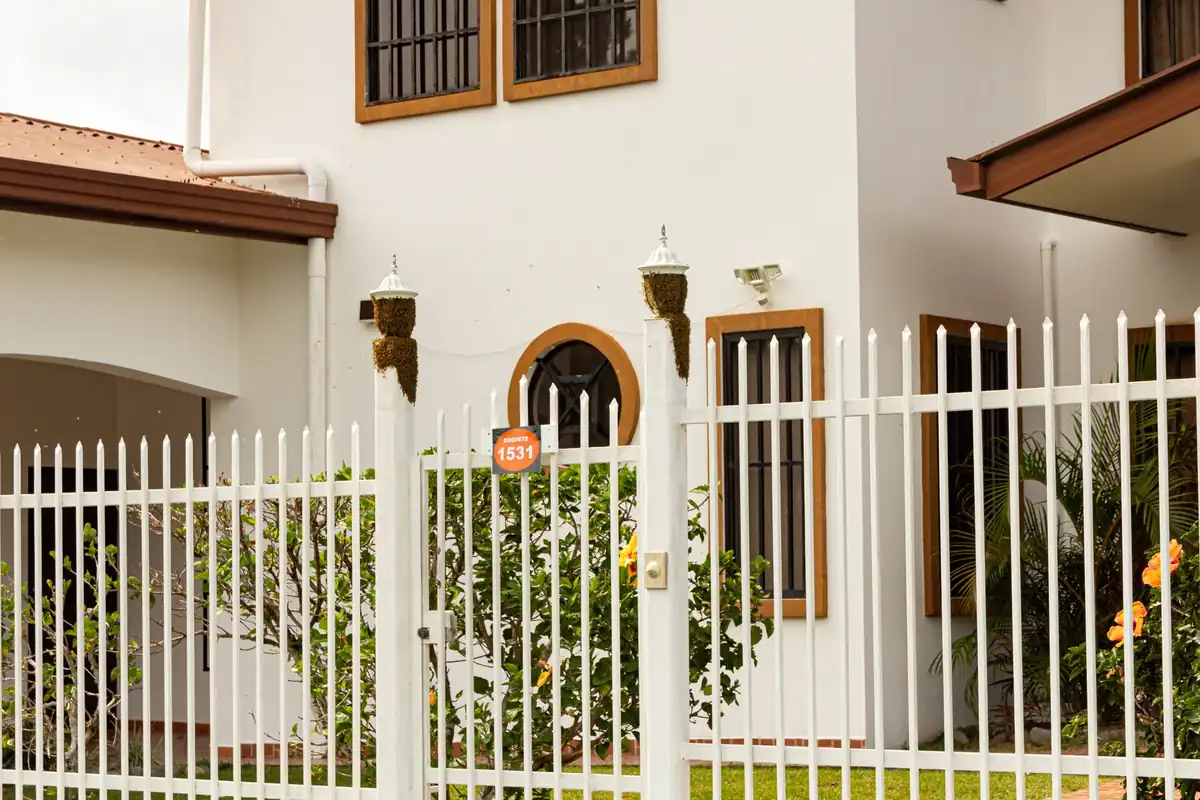
In Auckland, bee swarms are collected mainly by beekeepers: club volunteers, hobbyists and small bee businesses. The Auckland Beekeepers Club takes swarm reports through its website and passes them to members who collect, and Honey and Bees New Zealand keeps a list of swarm collectors by region, including Auckland. A swarm in the open and within reach is often collected free, because a healthy swarm can become a new hive. If the swarm is too high, has gone into a building or nobody can come, that is when paid help comes in, and that is where we fit.
Where to report a swarm
- Auckland Beekeepers Club: use the club's "report a swarm" page. Volunteers collect swarms around the region.
- Honey and Bees New Zealand: its swarm collection page lists collectors by region; pick one close to you.
- Private swarm collectors: some Auckland bee businesses advertise free swarm collection and charge only for harder jobs such as cut-outs.
- A beekeeper you know: if a neighbour keeps bees, the swarm may even be theirs.
We don't publish third-party phone numbers on this site, because they change. Use the organisations' own pages for current contact details.
What a collector will ask

Collectors get many calls in spring and choose the jobs they can do quickly. You will get a faster yes if you can tell them:
- Where it is: suburb, street and where on the property.
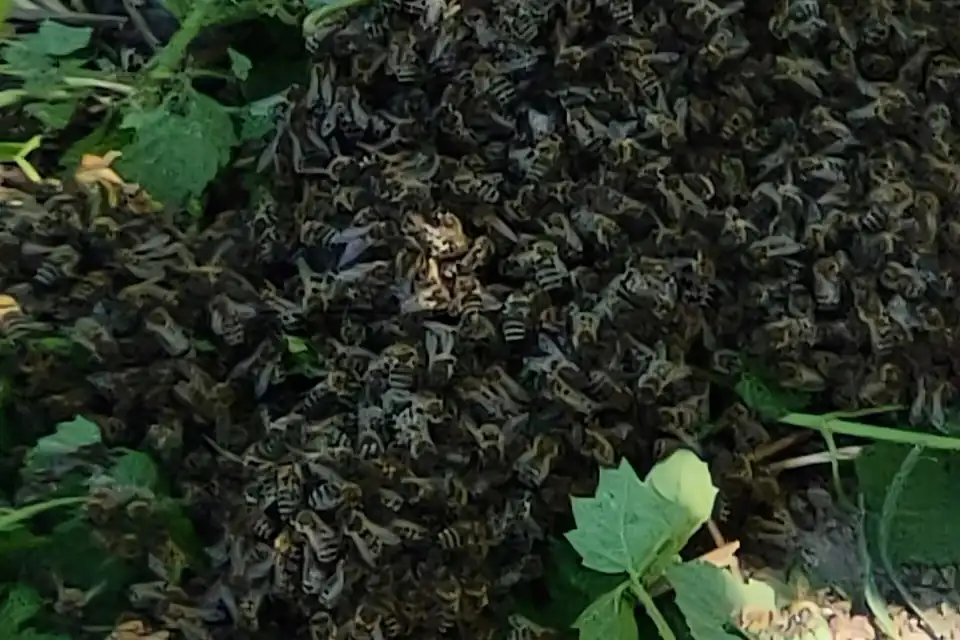
- What it is on: branch, fence, post, letterbox, car, eaves, the ground. A swarm low down, like the one in the photo, is ideal.
- How high: within reach, ladder height, or higher.
- How big: grapefruit, football, rugby ball or bigger.
- How long: when it arrived.
- Is it in the open, or are bees going into a gap?
- Access: gate codes, dogs, parking, and whether they can get to it without going through the house.
- A photo taken from a few metres back.
How collection works
The collector puts a box or a sheet under the cluster, shakes or brushes the bees in, and waits for the queen to be inside. The rest of the bees follow her scent. Often the box stays until dusk so the flying bees can join, and the collector comes back for it. On a simple job, the work takes well under an hour. The collected bees then become a new colony with a registered beekeeper; see what happens to a collected swarm.
When collection is free and when it isn't
Many collectors take easy swarms at no charge. A charge is more likely when:
- The swarm is high in a tree, on a roof or on a two-storey building.
- It needs climbing gear, a long ladder or a cherry picker.
- It is somewhere awkward, like inside a hedge, a bush or a compost bin.
- The bees have started moving into a gap and need coaxing out.
The swarm costs page covers the detail.
If no collector can come
Swarm season is busy, and collectors are volunteers or small businesses. If nobody can come:
- A swarm in the open will usually leave by itself within a day or two. Keep people back and watch it.
- If it is out of reach, see swarms out of reach.
- If bees start going into your house, don't wait. That is the point where a swarm becomes a colony, and it is a job for us. Use the form below or ring 09 802 7675.
Why we point you to collectors first
A swarm collector is usually quicker and cheaper for a swarm in the open, and the bees get a hive. It is the best outcome for you and for the bees. We step in for colonies inside buildings, bumble bee nests in the way and swarms nobody else can reach. The swarm guide and moving a swarm on without killing it explain more, and the first hour with a swarm note covers what to do while you wait.
Cut-outs from buildings are different: one Auckland beekeeping business lists $210 for removing bees from a wall cavity, with GST and repairs not stated.
If the bees here don't match yours, the front page on bee removal in Auckland sets swarms, bumble nests and wall colonies side by side.
Quick answers
Will a collector come on a weekend?
Many do, especially volunteers. Availability varies; report it early in the day for the best chance.
Can I ask a collector to take a bumble bee nest?
Most beekeepers don't take bumble bee nests. See bumble bees for the options.
Does the collector need to be a registered beekeeper?
Anyone who keeps the bees afterwards must be registered with NZ Bee Health and Biosecurity, and established collectors are.