Bee stings
Most bee stings hurt, swell and settle. Some need emergency care. Here is the general first-aid guidance, and how to plan around a nest if someone at home is allergic.
Checked
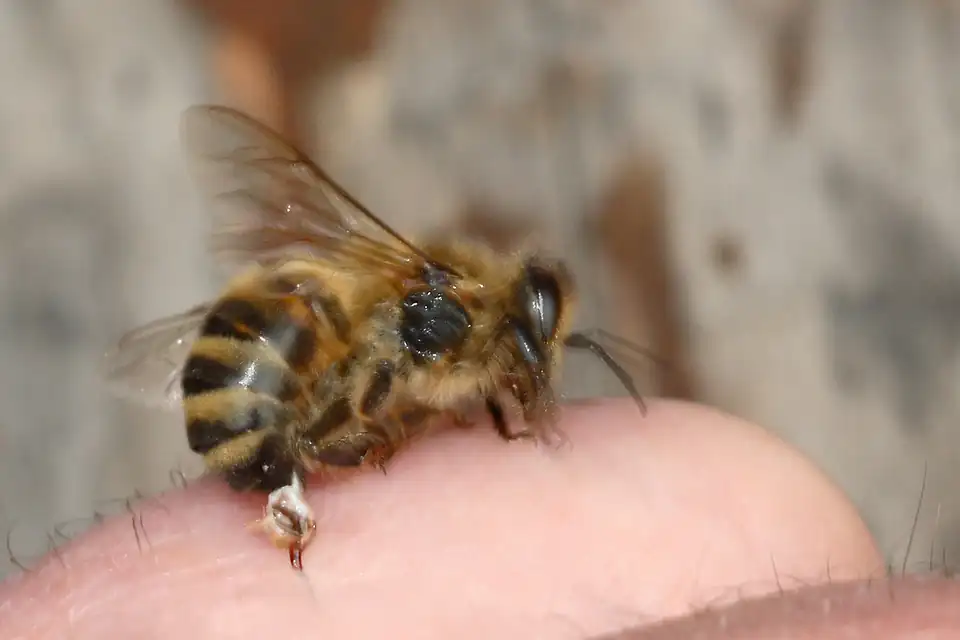
This page is general information, not medical advice. If anyone has difficulty breathing, wheezing, swelling of the face, lips, tongue or throat, dizziness or collapse after a sting, ring 111 immediately. For most people, a bee sting causes sharp pain, then redness and swelling that settle over hours to a few days. Health NZ's advice is to remove a honey bee's sting quickly by scraping it out, wash the area and use a cold pack. For advice that isn't an emergency, Healthline is free on 0800 611 116, any time of day or night.
First aid for a bee sting
Following Health NZ and Healthify guidance:
- Move away from the bees, calmly, to avoid more stings.
- Remove the sting if one is left in the skin. Scrape it out sideways with a fingernail or the edge of a card. Do it quickly; the venom sac keeps pumping for a short time.
- Wash the area with soap and water.
- Cool it with a cold pack or ice wrapped in a cloth.
- Watch for signs of a serious reaction over the next hour.
For pain or itch relief, ask a pharmacist. We don't give medicine advice.
When to get help
- Ring 111 for breathing difficulty, throat or tongue swelling, widespread hives with feeling unwell, dizziness or collapse.
- Ring 111 after many stings at once, especially in a child.
- Ring 111 or see a doctor urgently for a sting inside the mouth or throat.
- Call Healthline or see a doctor if swelling spreads widely, or the sting looks infected over the following days.
If someone has a prescribed adrenaline autoinjector, use it as their plan directs and ring 111.
Living near a nest when someone is allergic
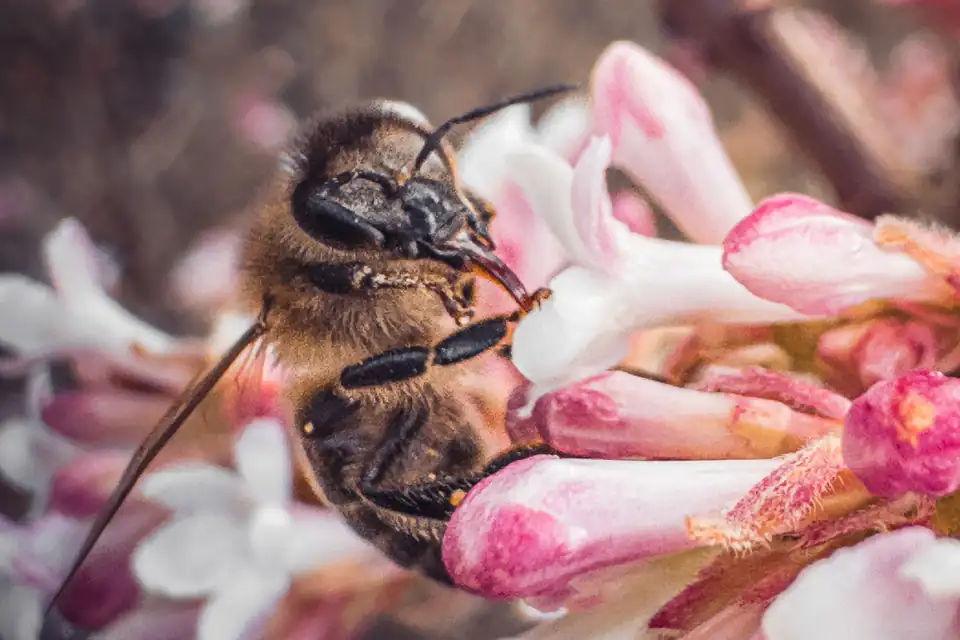

If someone in your household has had a serious reaction to a bee sting before, a nest at home changes the calculation:
- Treat any nest near the house as a priority, even a bumble bee nest that you would otherwise leave.
- Tell us about the allergy when you ask for a quote, so the visit can be timed while that person is out.
- Keep their emergency plan and medication at hand while bees are active nearby.
- Keep them away from swarms, pool edges where bees drink, and flowering lawns.
- Talk to their doctor about allergy planning; that is a medical decision, not ours.
Which insect stung?
Honey bees leave their barbed sting behind; wasps and bumble bees usually don't. Knowing which insect matters for people with allergies. See bee sting or wasp sting and bee or wasp?.
Avoiding stings around the home
- Leave swarms alone, and keep children back. See the first hour with a swarm.
- Don't block or spray a colony in the wall; it can push bees indoors. See bees inside the house.
- Wear shoes on lawns with clover in flower.
- Mow near bumble bee nests in the evening.
- Check pool water and edges before swimming.
Getting a nest dealt with
Where a nest poses a sting risk to someone vulnerable, we give it priority. Prices are quoted after a visit. For reference, a Wellington firm publishes $140 including GST per bumble bee nest, and one Auckland beekeeping business publishes $210 for removing bees from a wall cavity, without stating GST or repairs.
If the bees here don't match yours, the front page on getting bees removed in Auckland sets swarms, bumble nests and wall colonies side by side.
Quick answers
Should I suck out bee venom?
No. Remove the sting quickly by scraping, then wash and cool the area.
Is a large swelling an allergy?
A big local swelling around the sting is common and usually not dangerous. Breathing or throat symptoms, or feeling faint, are emergency signs.
Are bumble bee stings less serious?
Bumble bees sting rarely. For an allergic person, any sting can matter, so the same precautions apply.