A checklist before you hire a bee remover
Two quotes for "bee removal" can describe very different jobs. Use this list to see what each one actually covers before you say yes.
Checked
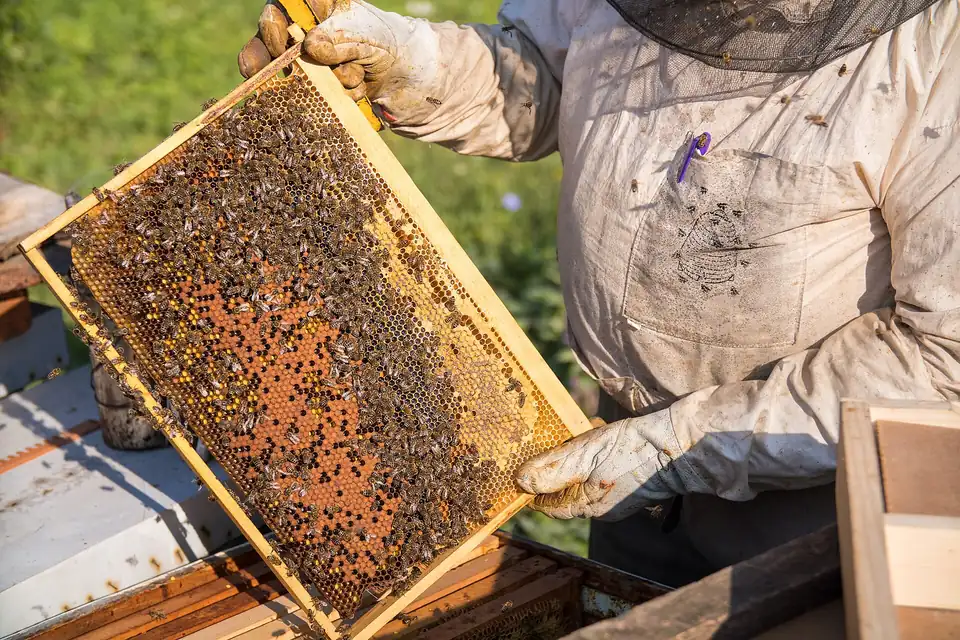
Before you pay anyone to deal with bees, get the job described in writing: what kind of bees they are, whether they will be rehomed or killed, whether all of the comb and honey comes out, who opens and repairs the wall, whether the price includes GST, and what happens if bees come back. Those details are where cheap and expensive quotes really differ. Below is a checklist you can use with anyone, including us, and the reasons each item matters.
1. Is it actually a paid job?
- A swarm hanging in the open? Try a swarm collector first; it is often free. See finding a swarm collector.
- A bumble bee nest that isn't in the way? It will die out on its own. See bumble bees.
- Small solitary bees in the lawn? Leave them. See native and solitary bees.
2. Have they identified the insect?
Ask what they think it is, and why. Honey bees, bumble bees, wasps and the yellow-legged hornet need completely different responses. A suspected hornet goes to MPI, not to a contractor.
3. Rehome or destroy?
Ask whether the bees can be rehomed alive, and if not, why not. If the bees will be kept, they must go to a registered beekeeper. Rehoming is slower but keeps healthy bees alive.
4. Does all the comb and honey come out?
This is the most important line on any quote for bees in a building. Treating the bees and leaving the comb leads to leaks, smells, pests, robbing and new swarms. If a quote doesn't mention comb removal, ask. See why not to spray a wall colony.
5. Who opens the wall, and who repairs it?
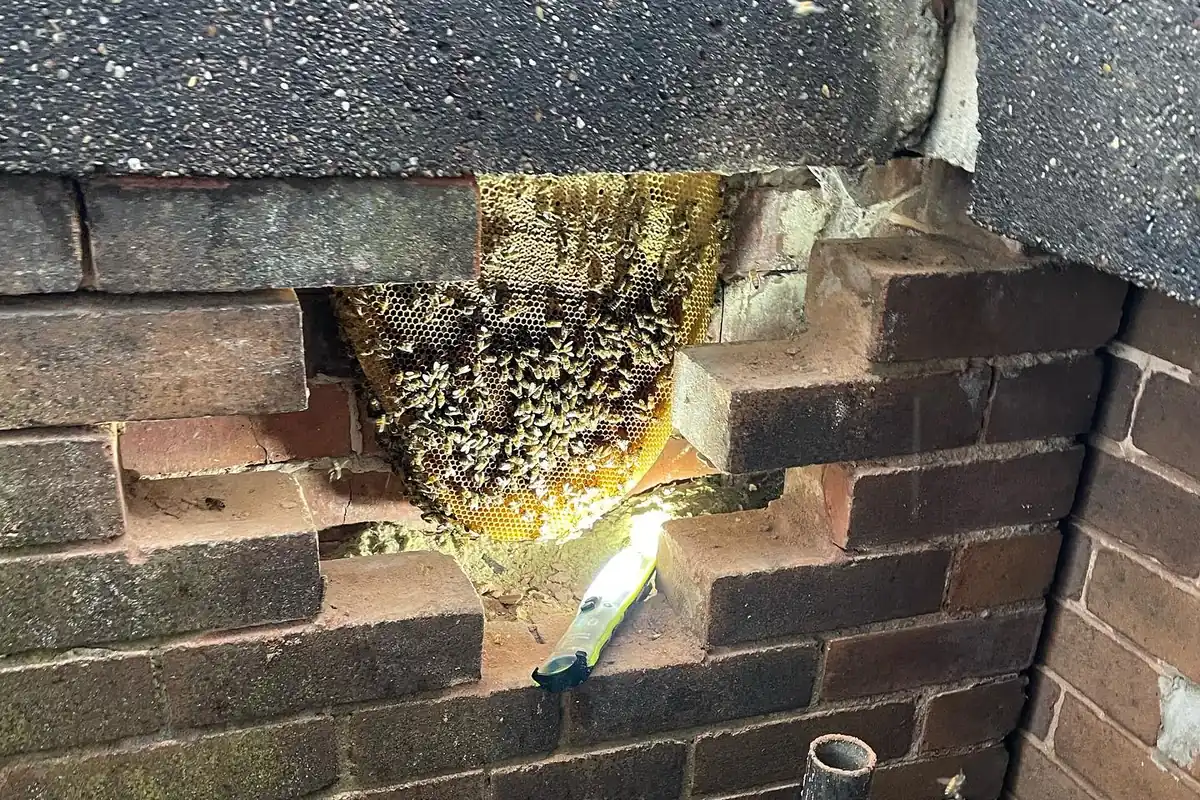

Getting comb out usually means lifting weatherboards, removing a soffit or opening a ceiling. Ask:
- How big an opening is expected, and where.
- Whether they will close it up, temporarily or properly.
- Whether a builder, roofer or plasterer will be needed afterwards.
- How they will handle special cladding: villa weatherboards, brick veneer, plaster systems, or old fibre-cement sheet that may contain asbestos.
6. What does the price include?
- GST: included or not?
- Travel, especially for rural and island addresses.
- Ladders, scaffolding or a cherry picker.
- Disposal of comb and honey.
- A return visit to check the nest is gone.
For reference, published prices are scarce. One Auckland beekeeping business lists $210 for removing bees from a wall cavity without stating GST or repairs, and a Wellington pest controller lists $140 including GST per bumble bee nest. The costs overview has every figure we found and its source.
7. What if bees come back?
Ask what happens if bees are still active a week later, or a new swarm moves into the same spot. A good answer covers both: a re-check if the original colony wasn't fully removed, and advice on sealing so the spot doesn't attract the next swarm.
8. Is the work at height being done safely?
Paid work on roofs and ladders falls under the Health and Safety at Work Act 2015, and WorkSafe expects fall risks to be managed. Ask how a second-storey or roof job will be done. A quote that seems cheap because it skips safe access is not a bargain.
9. If products are used, which ones?
Any insecticide must be used as its label directs, under the Hazardous Substances and New Organisms Act 1996. Ask what product will be used and where, especially if you have children, pets, a vegetable garden, a rainwater tank or fish ponds.
10. Get it in writing
A written quote protects both sides. It should name the job, the price, what's included and excluded, and the timing. We give a written figure before any work, and that is what you should expect from anyone.
This note sits under getting bees removed in Auckland, where the front page sorts out which bee jobs need a visit and which don't.
Quick answers
Should I get more than one quote?
For a large cut-out, yes, if time allows. Compare like with like using the list above.
Is the cheapest quote usually fine?
Sometimes. Check whether it includes comb removal, closing up and GST before deciding.
Can I ask for references or proof of registration?
Yes. A beekeeper can tell you their registration status with NZ Bee Health and Biosecurity, and any contractor should be happy to explain who will be on site.