Late-season swarms and absconding colonies
Most swarms come in spring, but Auckland sees clusters of bees well into summer and sometimes autumn. Some are late swarms; others are whole colonies abandoning a failing nest.
Checked
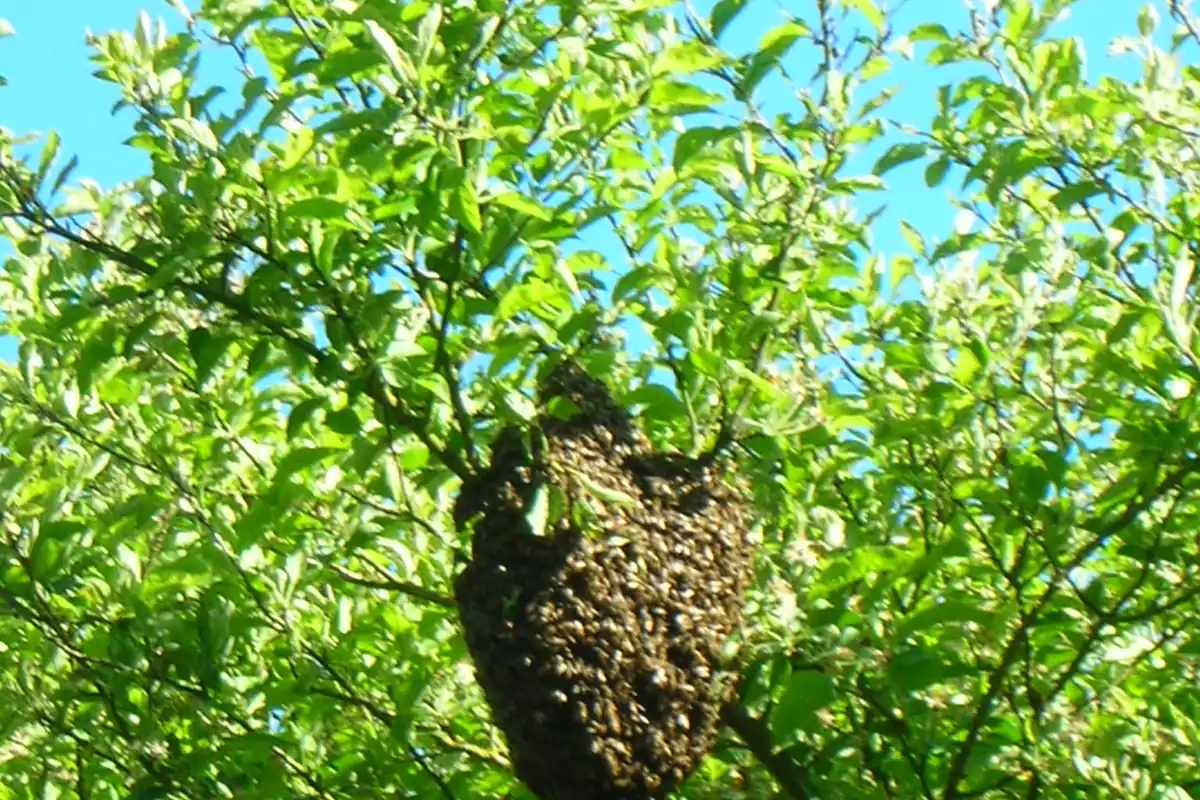
Honey and Bees New Zealand puts the swarm season from about August to January, so a swarm in early January is still within the normal pattern. Clusters that appear later, in February, March or even autumn, are less common and are often something else: an absconding colony, where the whole colony abandons its nest, usually because conditions inside have become intolerable. Late swarms and absconded colonies have less time to build comb and store honey before winter, so they are more likely to fail. For a householder, the response is the same as in spring: leave the cluster alone, keep people back, ring a collector, and watch that it doesn't move into the house.
Late swarms
A strong colony that had a good summer can still swarm in January, particularly after a big flow from pōhutukawa or a late burst of flowering. These swarms behave like spring swarms: calm, clustered, and looking for a cavity. The difference is timing. A swarm that leaves in January has a few months to build comb and fill it before autumn. In Auckland's mild climate, some manage it. Many don't.
Beekeepers are still keen on late swarms, though some will want to combine a small one with another colony. Ring a collector as usual: see finding a swarm collector.
Absconding: when the whole colony leaves
Absconding is different from swarming. In a swarm, part of the colony leaves and the rest stays with a new queen. In absconding, everyone leaves, including the queen, and the nest is left empty or with only a few bees and some brood. Reasons include:
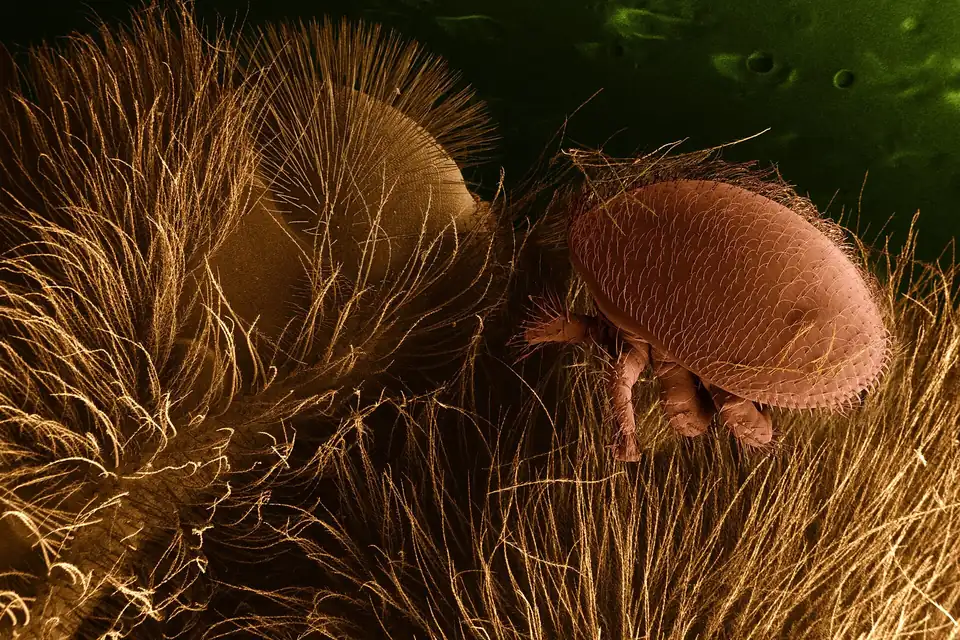
- Heavy varroa infestation and the viruses it spreads. See varroa and wild colonies.
- Repeated disturbance, for example by building work, spraying or wasps raiding the entrance.
- Overheating in a wall or roof exposed to strong sun.
- Lack of food in a dry spell.
- Wax moth taking over weak comb.
An absconded cluster may be smaller than a spring swarm, and may move on quickly. Because the colony may be unhealthy, some collectors are cautious about taking it.
What it means if bees leave your wall

If the colony in your wall seems to have gone, don't assume the job is over. The comb and honey are still there. Without bees to guard it, it attracts robbing bees, which can spread disease between hives, and wax moth, ants and rodents. Honey may also start leaking as the comb softens. Have the cavity opened and cleaned, then seal the entrance. Read after the bees are out and American foulbrood and abandoned comb.
Wasps and late-summer clusters
Late summer is wasp season. German and common wasp nests reach their largest in late summer and autumn, and wasps raid weak bee colonies for honey and larvae. A cluster of insects around a hole in February is worth a careful look from a distance. If they are shiny yellow and black, they are wasps, and a pest controller is the right call. See the bee or wasp guide.
What to do with a late cluster
- Keep people and pets back. Late clusters can be a little more defensive if the colony is stressed.
- Don't spray it.
- Photograph it from a distance and ring a swarm collector.
- Watch whether bees start going into a gap in your house.
- If they do, ask for a visit quickly.
Can a late swarm survive winter in Auckland?
Sometimes. Auckland winters are mild, and bees can forage on many winter days. A late swarm that finds a good cavity and a run of flowering may make it. In a hive, with a beekeeper feeding sugar syrup and treating for varroa, its chances are much better. That is one more reason to call a collector rather than letting it settle in a wall.
This note sits under bee removal in Auckland, where the front page sorts out which bee jobs need a visit and which don't.
Quick answers
Is a swarm in March normal?
It is unusual. It may be an absconding colony or a small late swarm. Treat it like any swarm.
Will bees that left my wall come back?
The same bees rarely return, but the empty comb may attract a new swarm next spring. Clean out the cavity and seal it.
Are late swarms more aggressive?
Not usually, but a stressed or hungry colony may be less tolerant. Keep your distance.