Bee-proofing a house before swarm season
Swarm scouts look for a dry cavity with an entrance about the size of a finger. Close those entrances in winter and your house is far less likely to end up with a colony.
Checked

The best way to keep bees out of your walls and roof is to close the small gaps they use before swarm season starts, which in Auckland means doing it in winter, by July or early August. Scout bees from a swarm look for a dry, dark cavity with a small, defensible entrance, often no bigger than a finger or a pencil. Seal or mesh those gaps while no bees are using them, and fix them properly rather than stuffing them. Never seal a gap that bees are currently going in and out of: that traps the colony inside.
When to do it
Honey and Bees New Zealand gives the New Zealand swarm season as August to January, and Auckland's busiest period is September to December. Bee-proofing works best in late autumn and winter, when there are no swarms looking for homes and you can see that no gap is in use. Check first: watch suspicious spots on a fine winter afternoon. If bees are flying in and out, there is already a colony; see signs of bees in a wall.
The gaps that matter in Auckland houses
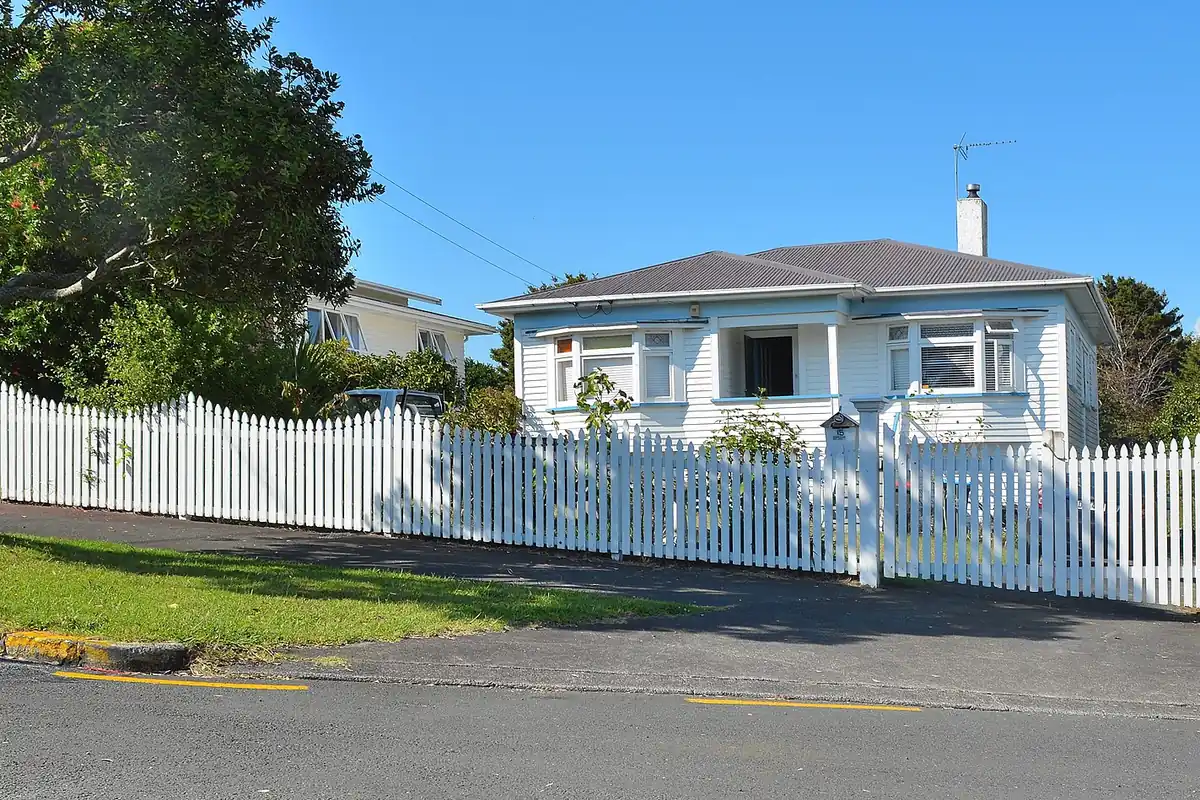

Walk around the house, looking up as well as down:
- Soffits and eaves. Gaps where soffit sheets meet, missing scribers along the wall, broken soffit vents.
- Weatherboards. Gaps at corner boards, around window and door frames, and where boards have split or lifted.
- Barge boards and gable ends. Gaps behind barge boards and at the apex.
- Pipe, cable and flue penetrations. Where heat pump lines, cables, gas pipes and old flues pass through walls.
- Chimneys. Unused chimneys without a cap or mesh. See bees in a chimney.
- Subfloor vents and baseboards. Vents without mesh, and gaps in baseboards.
- Weep holes in brick veneer. These must stay open for drainage, but fine stainless or plastic weep-hole vents keep insects out.
- Roof junctions. Where a lean-to meets the main roof, and around skylights.
- Outbuildings. Garages, sheds and sleep-outs with open framing.
How to seal them
- Use mesh, not foam, where air or water must flow. Vents, weep holes and soffit vents need insect mesh. Stainless or aluminium mesh lasts longest.
- Use flexible sealant for joints. Exterior-grade sealant suits gaps around frames and penetrations that are a few millimetres wide.
- Replace rather than plug. A split weatherboard, a missing scriber or a rotten soffit sheet is better replaced, matching the original profile on older houses.
- Cap chimneys. A proper cap or mesh guard keeps out birds and bees; a builder or chimney specialist can fit one.
- Don't block drainage. Weep holes and cavity vents exist to let water out. Mesh them, don't fill them.
Work at height carries real risk. For second-storey soffits or roof junctions, use a builder or roofer rather than a ladder on uneven ground.
Remove what attracts swarms
- Old comb or dead colonies in walls or roofs. The smell draws new swarms year after year; see why swarms return to the same spot.
- Old beehive boxes stored in sheds, which act as bait hives.
- Empty bird boxes and water meter boxes with gaps, which suit small swarms.
The one mistake to avoid
Sealing an active entrance. If bees are using a gap, they are living inside. Blocked bees look for another way out, often through a downlight or skirting board into the house, and the comb stays behind. Have the colony removed first, then seal. See what a cut-out involves.
Holiday homes and rentals
Houses that stand empty in spring are at higher risk because nobody notices a swarm moving in. Landlords and holiday-home owners can add a winter check of eaves, vents and chimneys to their maintenance list. The rentals and body corporates page covers who usually arranges this in a rental.
This note sits under bee nest and colony removal in Auckland, where the front page sorts out which bee jobs need a visit and which don't.
Quick answers
Will bee-proofing keep bumble bees out too?
It helps with walls and roof spaces. Bumble bees mostly nest in the ground, decks and compost, so the garden needs separate thought.
Can I use expanding foam?
Foam is fine for some sealed gaps but not vents or drainage paths, and it degrades in sun. Mesh and proper sealant are better.
Do bee repellents work?
There is little good evidence for sprays or scents that keep swarms away. Physical sealing is what works.