Bees at the pool and the birdbath
On a hot Auckland afternoon, bees lining the pool edge are not nesting. They are collecting water to cool their hive. A few changes usually move them on.
Checked
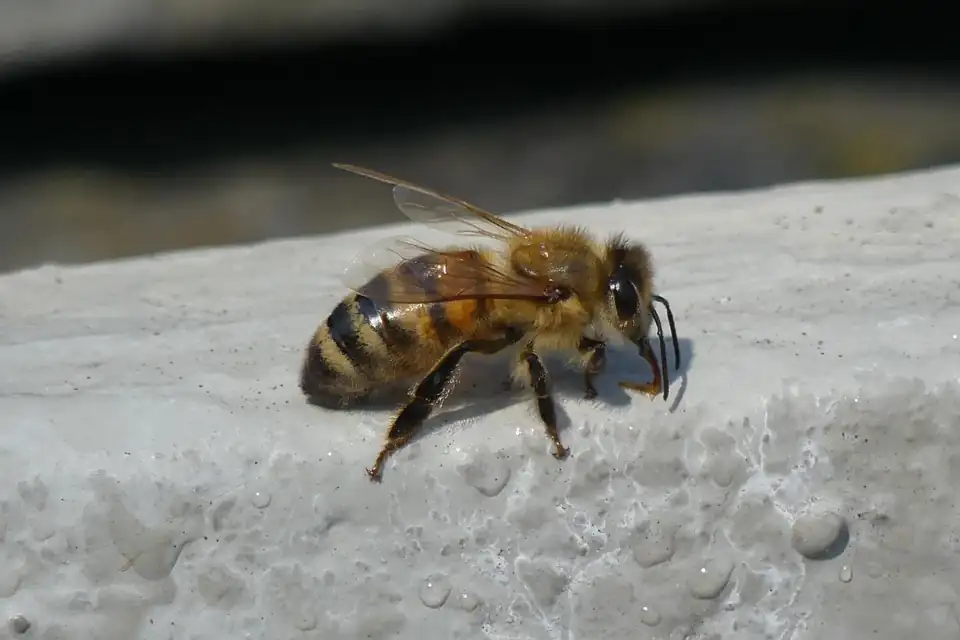
Honey bees need a lot of water in warm weather. Foragers carry it back to the hive, where other bees spread it over the comb and fan it to cool the nest, and they also use it to dilute stored honey for feeding larvae. A swimming pool, spa, dripping tap, birdbath or pet bowl is an easy, reliable source, and once foragers find it, they keep coming back and recruit others. Bees at the pool are almost always water collectors from a colony somewhere nearby, not a nest at your pool. The fix is to give them a better water source away from where people are, and make the pool less convenient for a while.
Why your pool in particular
Bees like water that is:
- Easy to land on: a wet edge, a floating leaf, a pool cover or a step.
- Warm and in the sun.
- Slightly smelly, with a hint of chlorine, salt or minerals; bees often prefer this to fresh water.
- Reliable, day after day.
A pool with a shallow ledge, a spa overflow or a wet paving edge ticks every box.
How to move them on
- Set up an alternative early. Put a shallow dish or tray with stones or corks, so bees can land without drowning, somewhere sunny and well away from the pool, ideally between the pool and where the bees are coming from. Keep it full every day.
- Make the alternative more attractive first. A pinch of salt in the water can help draw them initially.
- Then make the pool less attractive. Use a pool cover when the pool isn't in use, fix dripping taps and overflows, and wipe up wet edges.
- Be patient. Bees are habit-forming. It can take a week or two for foragers to switch.
Is there a hive next door?
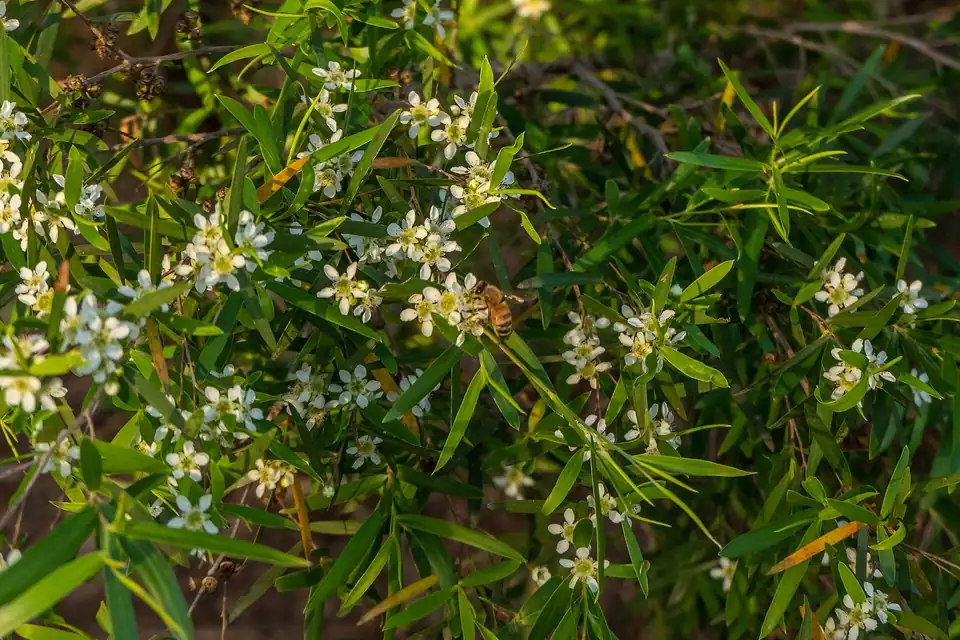

Large numbers of bees at a pool suggest a colony within a few hundred metres, sometimes a neighbour's hives. Auckland Council's bylaw expects urban beekeepers to provide water so their bees don't become a nuisance to neighbours. A friendly word often fixes it: a keeper can put out a water source near the hives. See neighbours' bees and council rules. If no one nearby keeps bees, the colony may be wild, perhaps in a tree or in a wall, maybe even your own; see signs of bees in a wall.
Avoiding stings around the pool
- Check the water and edge before getting in. Bees struggling on the surface sting if grabbed.
- Scoop floating bees out with a net, not your hand.
- Wear footwear on wet paving where bees drink.
- Keep sweet drinks covered; wasps, not bees, are usually the ones that crawl into cans.
- Children's paddling pools attract bees too; empty them after use.
If someone is stung, follow Health NZ's advice: scrape out the sting, cool the area, and ring 111 for breathing difficulty or facial swelling. See the stings page.
Birdbaths, ponds and water features
Birdbaths and ponds with landing places, such as stones and water plants, are good for bees and are a sensible alternative to the pool. Put them in a part of the garden where people don't sit. Water features with a constant wet surface are bee favourites; if one is beside the back door, consider moving or turning it off for the summer.
Rural tanks and troughs
On lifestyle blocks and islands, bees visit tank overflows and stock troughs. Keep tank inlets screened so bees can't get in and foul drinking water, and float a board or sticks in troughs so bees don't drown. Our Waiheke page has more on rainwater tanks.
Is it ever a nest?
Rarely. A swarm might rest on a pool fence for a few hours in spring. A steady stream of bees into a gap in pool decking, a pump housing or a fence post is a colony, and that needs attention. See trees, hedges and gardens.
This note sits under Auckland Bee Help, where the front page sorts out which bee jobs need a visit and which don't.
Quick answers
Will chlorine or salt keep bees away?
No. Bees often prefer chlorinated or salty water. Covering the pool and offering an alternative works better.
Can I spray something on the pool edge?
Don't use insecticides near a pool. They contaminate the water and harm bees that aren't causing a problem.
When will the bees stop?
Water collection drops in cooler weather. In Auckland, pool visits usually ease by autumn.