Your neighbour's bees and Auckland Council's rules
Backyard beekeeping is legal and popular in Auckland, within limits. Here is what the council bylaw and national registration rules say, and how to handle a problem with the hives next door.
Checked
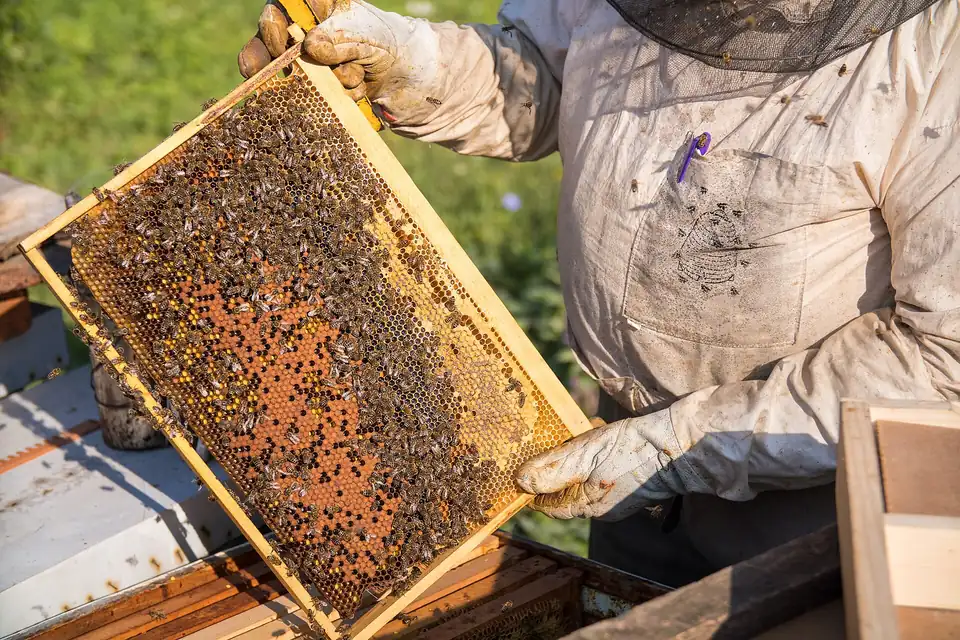
Yes, your neighbour can keep bees in urban Auckland. Auckland Council's Animal Management Bylaw 2015 allows beekeeping in urban areas, subject to minimum standards meant to manage public health, safety and nuisance. Following a 2021 review, with changes in effect from 20 December 2021, a beekeeper needs the council's approval to keep more than two standard hives on an urban section smaller than 2,000 square metres. Separately, every beekeeper in New Zealand must register their apiary with NZ Bee Health and Biosecurity. If hives next door are causing a real problem, the usual path is a conversation first, then the council.
This note is general information, not legal advice. Check the current bylaw text on Auckland Council's website before relying on any detail.
What the bylaw covers
The bylaw sets out minimum standards for keeping bees in urban areas. The matters it deals with include where hives are placed relative to boundaries and neighbours, the bees' flight path, swarm prevention, and making sure bees have a water source so they don't crowd a neighbour's pool or tap. Nuisance under the bylaw takes its meaning from the Health Act 1956. In practice, the council looks at whether bees are creating a real nuisance or risk, not at whether you can see bees in your garden.
What is normal, and what is a nuisance
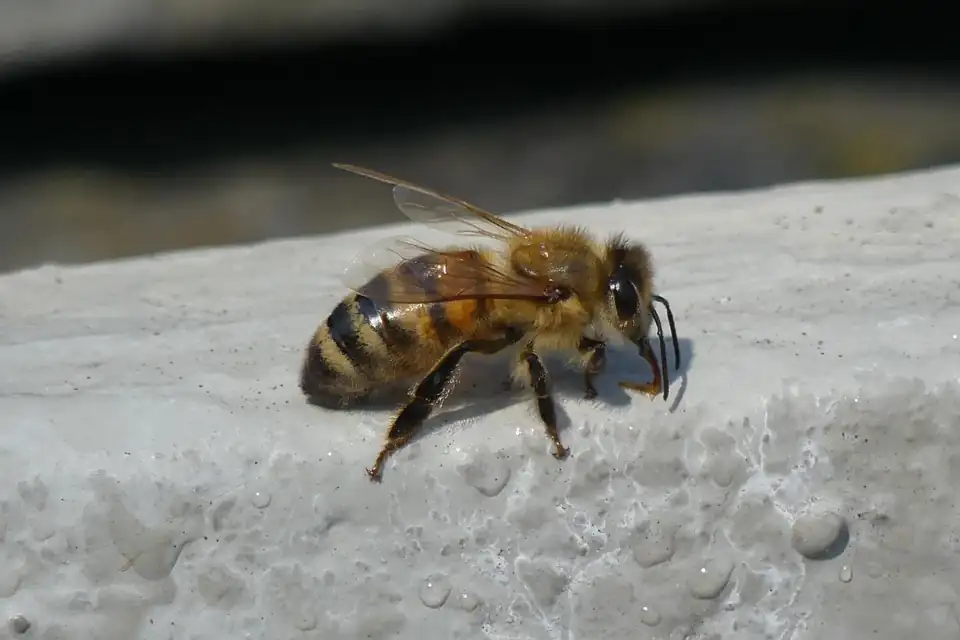

Normal and not a nuisance:
- Bees foraging on your flowers, vegetables or lawn clover.
- Bees drinking at your birdbath or pond now and then.
- An occasional bee in your house through an open window.
Possibly a nuisance worth raising:
- A hive placed hard against your boundary with the entrance pointed at your door, path or deck.
- Bees regularly crowding your pool, outdoor tap or washing line because the keeper provides no water.
- Repeated swarms from the same hives landing on your property each spring.
- Bee droppings, small yellow-brown spots, repeatedly marking washing, cars or cladding near a flight path.
- More hives than the bylaw allows on a small section without approval.
Registration: a quick check
Every beekeeper must register with NZ Bee Health and Biosecurity and record each apiary, now in the HiveHub system, under the national American foulbrood pest management plan. Registered apiaries carry an identification number. A responsible keeper will be happy to confirm they are registered. Registration matters to you because unmanaged hives can spread disease to other colonies and are more likely to swarm.
How to raise a concern
- Talk to your neighbour. Many problems are fixed by turning the hive, adding a screen or hedge so bees fly up and over, or setting up a water source.
- Be specific. Note dates of swarms, photos of crowding at your pool, or marks on washing.
- Contact Auckland Council if talking doesn't work. The council can investigate under the bylaw.
- For a disease concern, such as hives that appear abandoned, contact NZ Bee Health and Biosecurity.
A swarm from next door
If a swarm lands in your garden and you know your neighbour keeps bees, tell them. Most keepers will collect their own swarm quickly, and it is in their interest. If you don't know where it came from, a swarm collector will take it. See the first hour with a swarm and finding a swarm collector.
Bees from a neighbour's hive in your wall
If a swarm from a neighbour's hive moves into your house, the bees are now a colony in your building. The neighbour may help with a cut-out if they keep bees, or you may need a technician. Either way, the comb needs to come out. Read what a cut-out involves.
Thinking of keeping bees yourself?
Register with NZ Bee Health and Biosecurity, learn to manage varroa and American foulbrood, follow the bylaw, and think about your neighbours: hive placement, a flight barrier and a water source make a big difference. Local clubs, including the Auckland Beekeepers Club, run courses. Our note on what happens to a collected swarm shows what responsible keeping involves.
This note sits under Bee Removal Auckland, where the front page sorts out which bee jobs need a visit and which don't.
Quick answers
Can I make my neighbour remove their hives?
Not simply because you don't like bees. If the hives create a nuisance or breach the bylaw, the council can require changes.
Do bylaw rules apply in rural areas?
The urban beekeeping standards are aimed at urban areas. On rural land, beekeepers still must register their apiaries and avoid nuisance.
My neighbour's bees stung my child. What now?
Treat the sting first; see the stings page. Then talk to your neighbour about hive placement and flight paths.